
Tropical Sunroom Design Ideas
By Thanos KazakisMagic Room founderUpdated
Generate tropical sunroom design ideas instantly with AI.
See the transformation
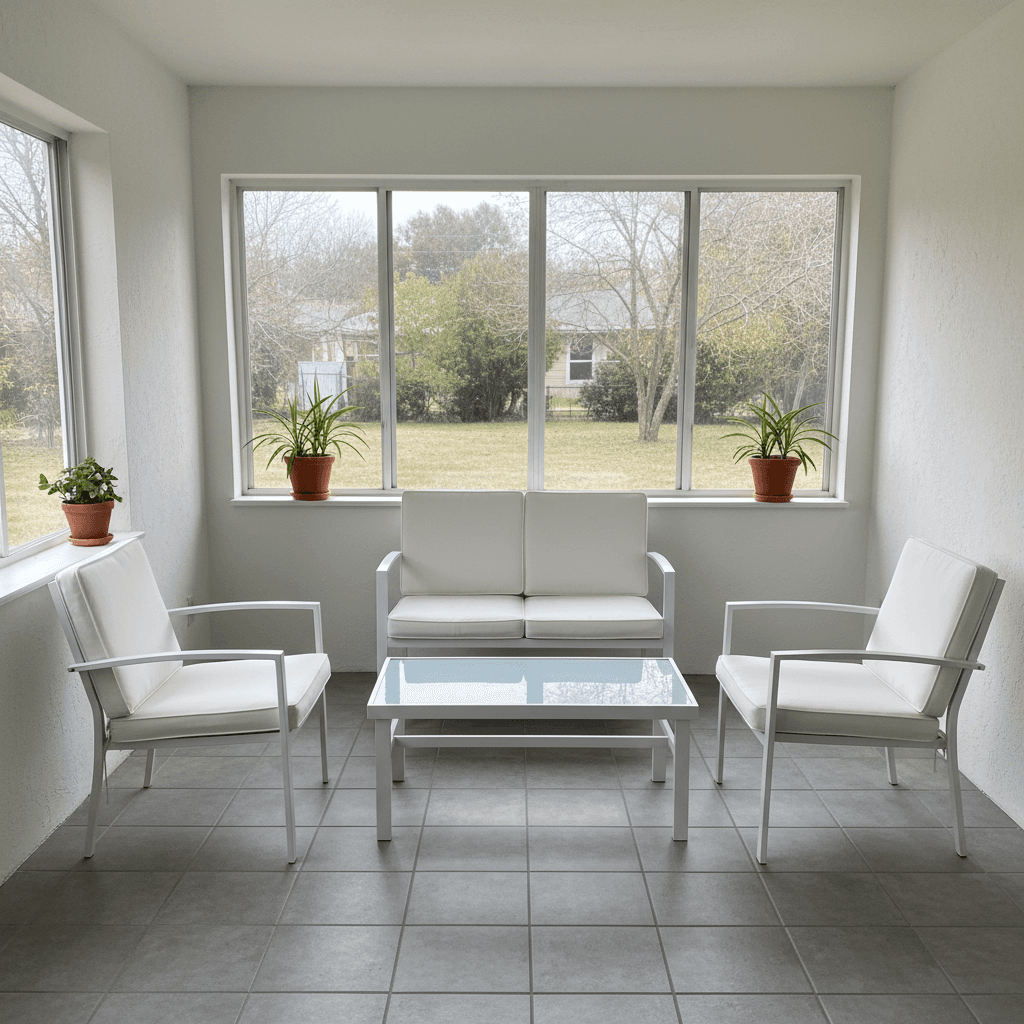
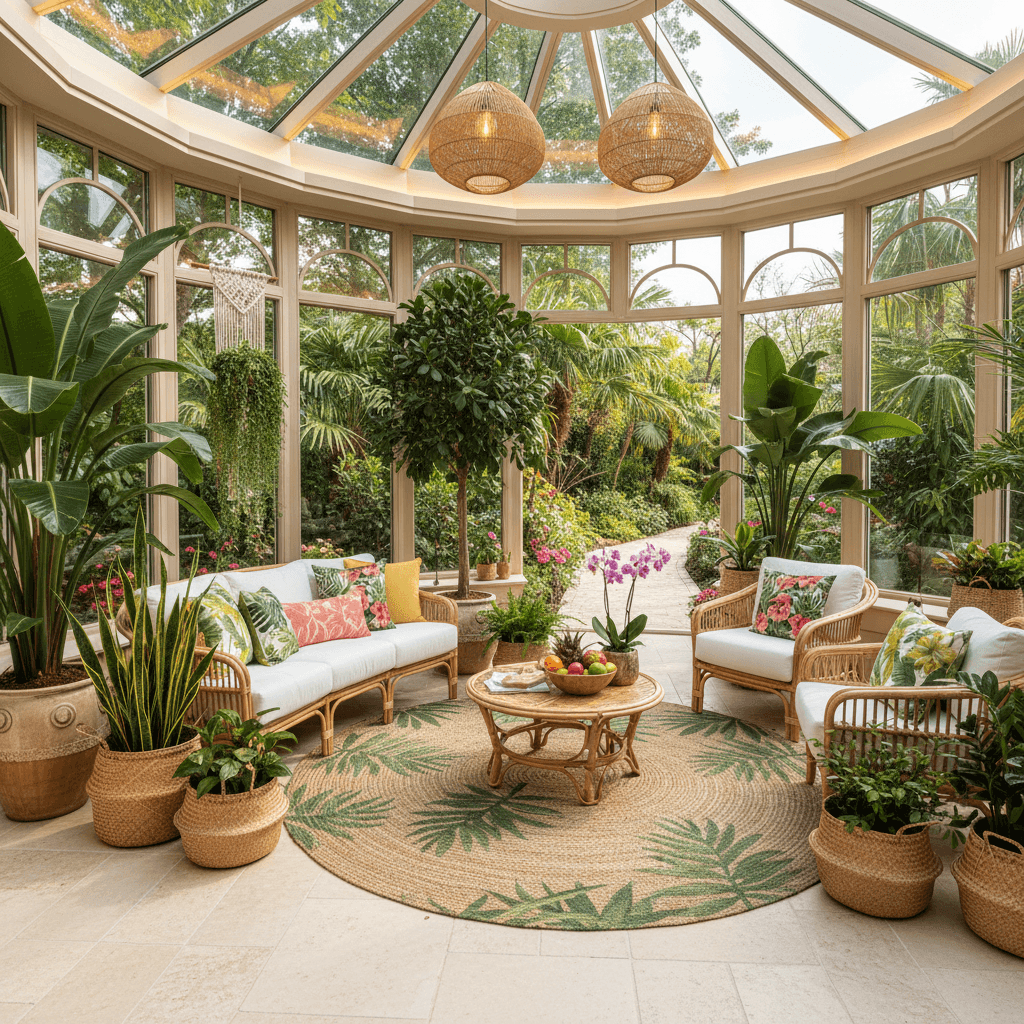
AI-generated tropical sunroom redesign from a single photo
How to get Tropical Sunroom designs
1. Upload your photo
Take a photo of your room in good daylight and upload it directly from your phone or computer. No account required to try.
2. Select style and room type
Choose your design theme and confirm the room type. Add any specific details or requirements in the optional text field.
3. Download your designs
The AI generates your redesigned room in 30 to 60 seconds. Review the result, and download or share as needed.
Tropical design principles
Tropical interior design brings the outdoor environment inside, using plants, natural fibres, and warm humidity-appropriate materials to create rooms that feel like retreats rather than offices. The palette draws from nature — forest greens, clay reds, rattan browns, and clean whites — and the approach to accessories rewards abundance over restraint.
Commit to real plants, not artificial ones
A single large fiddle-leaf fig, bird of paradise, or monstera changes the quality of a room in a way that artificial plants cannot replicate. If natural light is limited, choose species that tolerate shade — pothos, ZZ plants, or peace lilies — rather than defaulting to silk alternatives.
Use rattan and woven materials generously
Rattan chairs, woven pendant lights, bamboo blinds, and jute rugs introduce the texture and warmth that the style depends on. Unlike wood or metal, these materials work at multiple price points without sacrificing authenticity, making tropical one of the more accessible styles to execute.
Choose a warm, nature-derived palette
Tropical palettes are not simply 'green and white'. The most effective versions include clay, terracotta, warm amber, and dusty leaf green alongside the brighter accent shades. Cooler blues and stark whites sit less naturally in tropical interiors and tend to pull the aesthetic toward coastal instead.
Open up the room to natural light
Tropical design looks its best when flooded with diffused daylight. Use sheer linen curtains rather than heavy drapes, clear obstructions from windows, and position mirrors to bounce light into darker corners. The goal is the dappled, generous quality of light in a shaded outdoor space.
Sunroom design considerations
A sunroom occupies an unusual position in a home — partly interior, partly exterior, designed to maximise natural light and connection to the garden while remaining sheltered from weather. Its design brief is distinct from any other room: the architecture and glazing do most of the work, and the interior furnishing must respond to those conditions — intense light, temperature variation, and visual connection to the outside — rather than fight them.
Choose materials that tolerate direct sunlight and heat
A south-facing sunroom can reach very high temperatures in summer and suffer significant UV exposure year-round. Many materials that perform well in shaded interior rooms fade, warp, or deteriorate under these conditions. Choose UV-stable fabrics — solution-dyed acrylic outdoor fabrics perform exceptionally well — and avoid dark upholstery that will absorb heat uncomfortably. Solid hardwood furniture may develop stress cracks in rooms with significant temperature and humidity fluctuation; engineered pieces or materials designed for outdoor use will outlast them.
Design for glare management alongside light maximisation
The same glazing that makes a sunroom bright and pleasant in winter can create uncomfortable glare and heat in summer. Cellular blinds or roller blinds with heat-reflective backing can be fitted within the roof glazing to reduce solar gain without eliminating daylight. Planting outside the glazed walls — deciduous climbers that provide shade in summer and admit light after leaf-fall in winter — is an elegant and effective long-term solution.
Connect the flooring to the outdoor space visually
One of the most effective design moves in a sunroom is to use a flooring material that bridges indoors and outdoors — large-format porcelain tile that continues as paving outside, or natural stone used inside and on an adjacent terrace. This visual continuity makes the garden feel like an extension of the interior rather than a separate space, which is precisely the quality that makes sunrooms valuable as living spaces.
Tropical Sunroom guides worth reading
Practical write-ups that go deeper than a single sunroom page — how to photograph the room, how to pick a style, and what AI redesign actually changes.
How AI Interior Design Tools Actually Work in 2026
Not all AI room design tools work the same way. Understanding the difference between diffusion models and multimodal models explai
Interior Design on a Budget: 9 AI Hacks for 2026
The most expensive design mistake is buying things in the wrong order. AI visualisation changes the sequence of decision-making in
Best AI Interior Design Tools 2026: Privacy & Price Compared
There are now dozens of AI tools that claim to redesign rooms from a single photo. They vary significantly in the AI model used, p
AI Home Staging Before Selling: What Works (and Fails)
Traditional home staging is expensive and logistically complex. AI home staging is inexpensive and immediate. Understanding what e
Before you pick an AI interior design tool
Magic Room is not the only way to generate these designs. Here is how it compares to the tools most people evaluate alongside it.
best RoomGPT alternatives for AI interior design
All four tools compared on AI model, photo retention, pricing model and output quality.
Reimagine Home alternative
Why people switch from Reimagine Home, and what changes when they do.
Interior AI alternative
Why people switch from Interior AI, and what changes when they do.
Magic Room vs Reimagine Home
Side-by-side on AI model, photo privacy, pricing and output quality.