
Tropical Bathroom Design Ideas
By Thanos KazakisMagic Room founderUpdated
The tropical bathroom connects the room's function — water, steam, skin — to the natural environment through materials that suggest the outdoors. Stone or pebble mosaic shower floors, teak bath accessories, large tropical-leafed wallpaper behind a basin mirror, or a shelf of actual plants that tolerate bathroom humidity all work toward the same effect. The palette should be warm rather than cool, drawing from clay, stone, and forest rather than coastal blue.
See the transformation
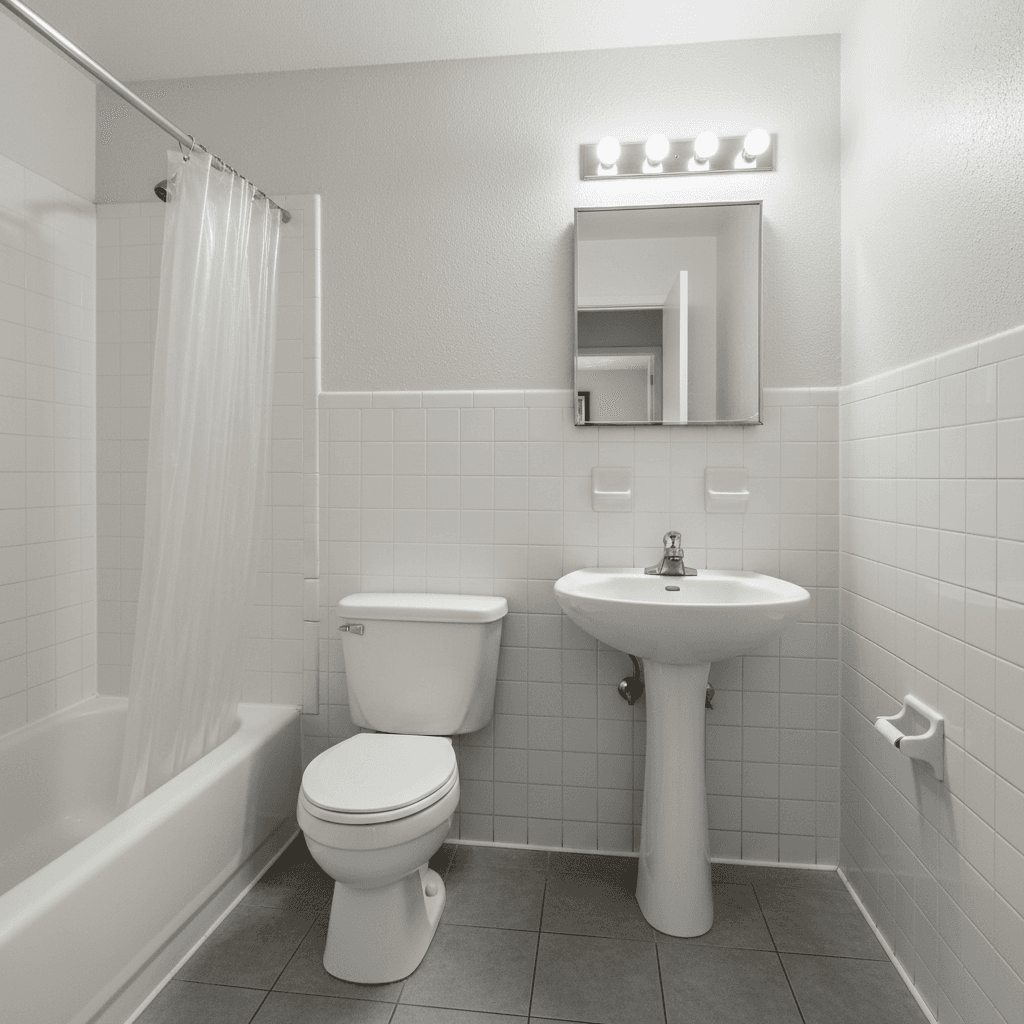
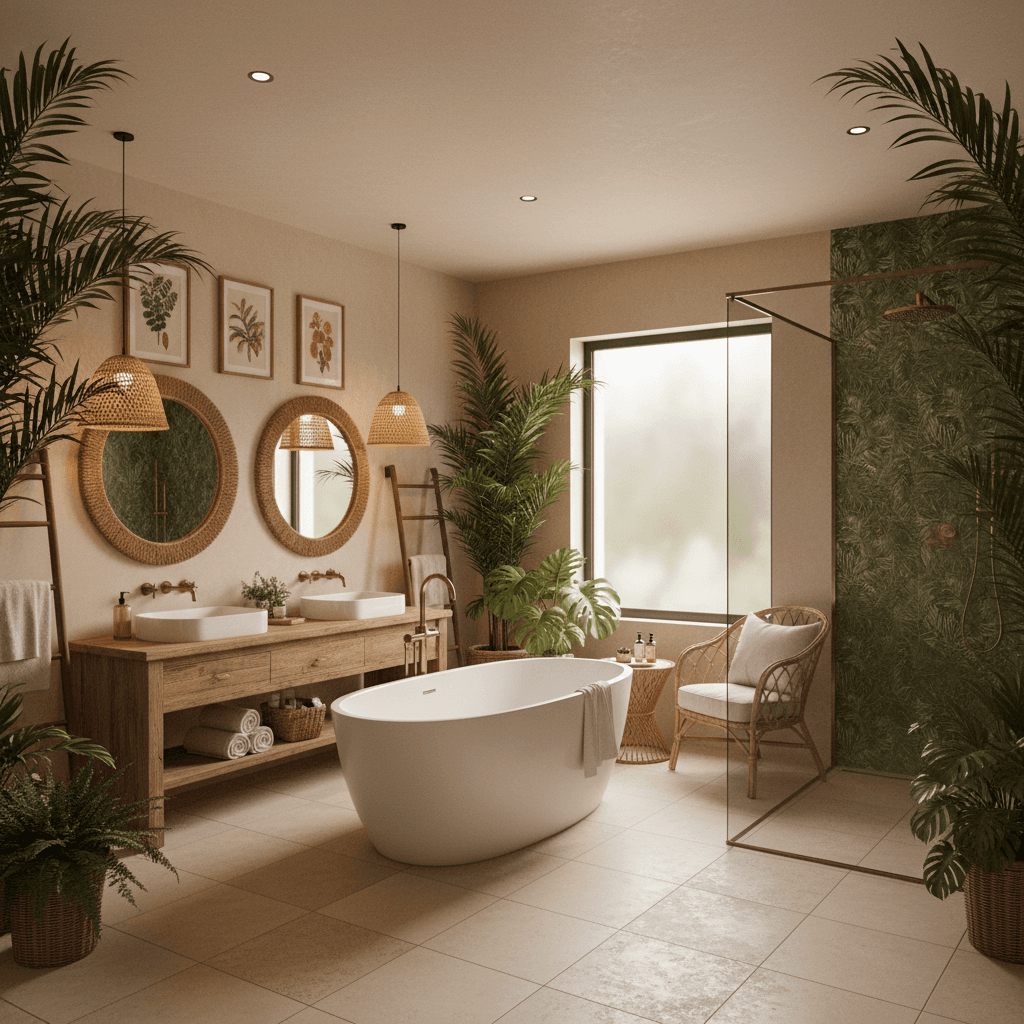
AI-generated tropical bathroom redesign from a single photo
How to get Tropical Bathroom designs
1. Upload your photo
Take a photo of your room in good daylight and upload it directly from your phone or computer. No account required to try.
2. Select style and room type
Choose your design theme and confirm the room type. Add any specific details or requirements in the optional text field.
3. Download your designs
The AI generates your redesigned room in 30 to 60 seconds. Review the result, and download or share as needed.
Tropical design principles
Tropical interior design brings the outdoor environment inside, using plants, natural fibres, and warm humidity-appropriate materials to create rooms that feel like retreats rather than offices. The palette draws from nature — forest greens, clay reds, rattan browns, and clean whites — and the approach to accessories rewards abundance over restraint.
Commit to real plants, not artificial ones
A single large fiddle-leaf fig, bird of paradise, or monstera changes the quality of a room in a way that artificial plants cannot replicate. If natural light is limited, choose species that tolerate shade — pothos, ZZ plants, or peace lilies — rather than defaulting to silk alternatives.
Use rattan and woven materials generously
Rattan chairs, woven pendant lights, bamboo blinds, and jute rugs introduce the texture and warmth that the style depends on. Unlike wood or metal, these materials work at multiple price points without sacrificing authenticity, making tropical one of the more accessible styles to execute.
Choose a warm, nature-derived palette
Tropical palettes are not simply 'green and white'. The most effective versions include clay, terracotta, warm amber, and dusty leaf green alongside the brighter accent shades. Cooler blues and stark whites sit less naturally in tropical interiors and tend to pull the aesthetic toward coastal instead.
Open up the room to natural light
Tropical design looks its best when flooded with diffused daylight. Use sheer linen curtains rather than heavy drapes, clear obstructions from windows, and position mirrors to bounce light into darker corners. The goal is the dappled, generous quality of light in a shaded outdoor space.
Bathroom design considerations
Bathrooms present unique design constraints because every material must perform in a high-moisture, high-use environment while the room itself is usually small, fixed in its plumbing positions, and expected to look good for ten or more years without major renovation.
Waterproofing as the non-negotiable foundation
All visible finishes in a bathroom sit on top of a waterproofing system that must be correctly specified and installed before any aesthetic decisions matter. Inadequate tanking or incorrectly applied membrane systems behind tiles or cladding cause failures that are expensive and disruptive to remediate. Budget for this correctly before spending on surface finishes.
Scale of fittings relative to the room
Bathroom showrooms display products in generous open spaces that bear no resemblance to a typical bathroom's dimensions. A large freestanding bath that looks proportionate in a showroom can make a small bathroom feel unusable. Always work from accurate room dimensions and leave adequate clear space around each fitting for comfortable use.
Ventilation to prevent mould and surface degradation
Mechanical ventilation — a correctly sized extractor fan that runs during use and for a timed period afterwards — is essential in any bathroom without reliable natural ventilation. Even in bathrooms with windows, condensation accumulates faster than natural airflow removes it. Mould damage to grout, silicone, and decorative surfaces is the most common bathroom maintenance problem and is largely preventable.
Frequently asked questions
Tropical Bathroom guides worth reading
Practical write-ups that go deeper than a single bathroom page — how to photograph the room, how to pick a style, and what AI redesign actually changes.
Industrial Kitchen Design: 15 Ideas That Actually Work
The industrial kitchen references commercial cooking infrastructure — steel, open shelving, exposed utilities — and translates it
How to Choose an Interior Design Style: 6 Quick Tests
Most people choose an interior design style based on how it looks in photography. A better approach starts with how you actually l
How AI Interior Design Tools Actually Work in 2026
Not all AI room design tools work the same way. Understanding the difference between diffusion models and multimodal models explai
Interior Design on a Budget: 9 AI Hacks for 2026
The most expensive design mistake is buying things in the wrong order. AI visualisation changes the sequence of decision-making in
Before you pick an AI interior design tool
Magic Room is not the only way to generate these designs. Here is how it compares to the tools most people evaluate alongside it.
best RoomGPT alternatives for AI interior design
All four tools compared on AI model, photo retention, pricing model and output quality.
DecorAI alternative
Why people switch from DecorAI, and what changes when they do.
Reimagine Home alternative
Why people switch from Reimagine Home, and what changes when they do.
Magic Room vs DecorAI
Side-by-side on AI model, photo privacy, pricing and output quality.