
Tropical Basement Design Ideas
By Thanos KazakisMagic Room founderUpdated
Generate tropical basement design ideas instantly with AI.
See the transformation
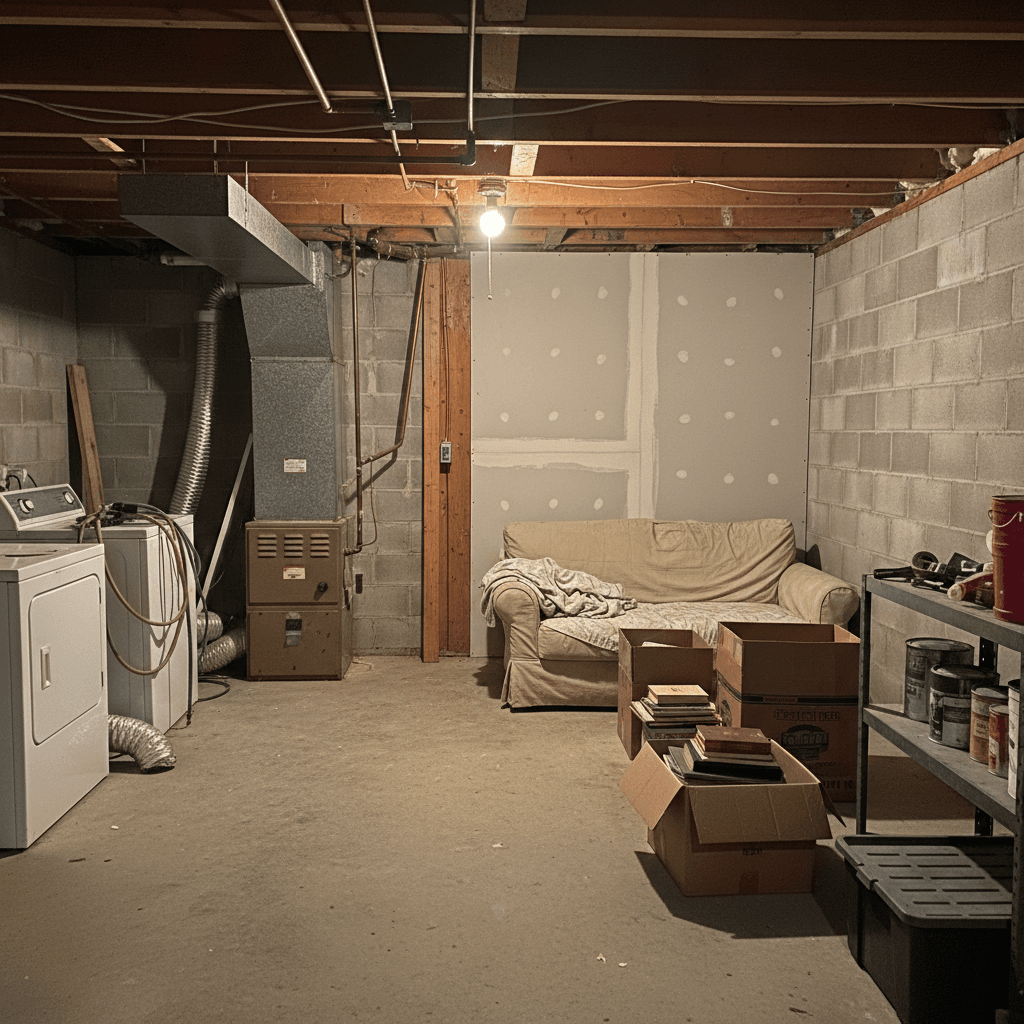
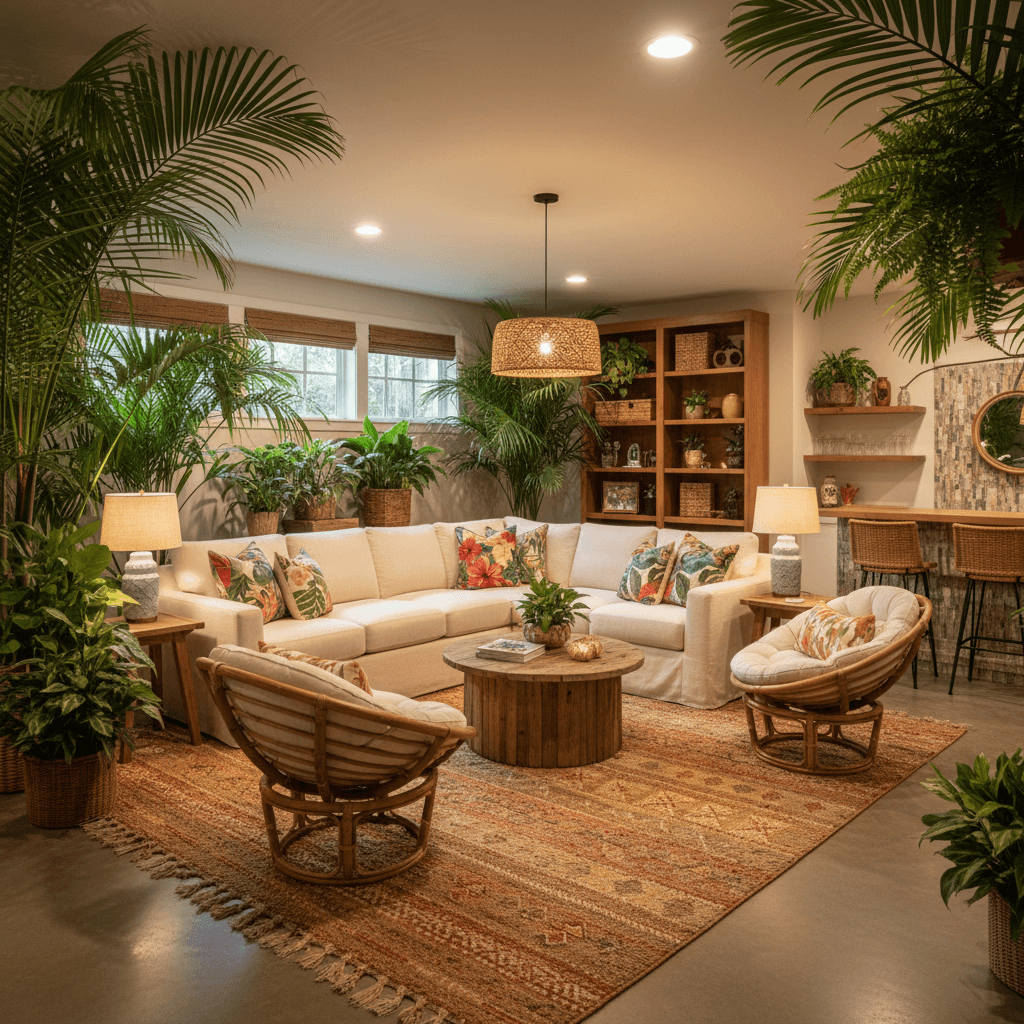
AI-generated tropical basement redesign from a single photo
How to get Tropical Basement designs
1. Upload your photo
Take a photo of your room in good daylight and upload it directly from your phone or computer. No account required to try.
2. Select style and room type
Choose your design theme and confirm the room type. Add any specific details or requirements in the optional text field.
3. Download your designs
The AI generates your redesigned room in 30 to 60 seconds. Review the result, and download or share as needed.
Tropical design principles
Tropical interior design brings the outdoor environment inside, using plants, natural fibres, and warm humidity-appropriate materials to create rooms that feel like retreats rather than offices. The palette draws from nature — forest greens, clay reds, rattan browns, and clean whites — and the approach to accessories rewards abundance over restraint.
Commit to real plants, not artificial ones
A single large fiddle-leaf fig, bird of paradise, or monstera changes the quality of a room in a way that artificial plants cannot replicate. If natural light is limited, choose species that tolerate shade — pothos, ZZ plants, or peace lilies — rather than defaulting to silk alternatives.
Use rattan and woven materials generously
Rattan chairs, woven pendant lights, bamboo blinds, and jute rugs introduce the texture and warmth that the style depends on. Unlike wood or metal, these materials work at multiple price points without sacrificing authenticity, making tropical one of the more accessible styles to execute.
Choose a warm, nature-derived palette
Tropical palettes are not simply 'green and white'. The most effective versions include clay, terracotta, warm amber, and dusty leaf green alongside the brighter accent shades. Cooler blues and stark whites sit less naturally in tropical interiors and tend to pull the aesthetic toward coastal instead.
Open up the room to natural light
Tropical design looks its best when flooded with diffused daylight. Use sheer linen curtains rather than heavy drapes, clear obstructions from windows, and position mirrors to bounce light into darker corners. The goal is the dappled, generous quality of light in a shaded outdoor space.
Basement design considerations
A basement presents one of the more interesting design challenges in residential interiors: a space that is typically below grade, often low in natural light, and underused by default. Converted thoughtfully, it can become one of the most useful and private areas in the home — a cinema room, gym, guest suite, or family room that does not compete with the main living areas above.
Solve moisture and waterproofing before any other decision
No interior finish, flooring, or furniture choice will perform adequately in a basement that has not been properly waterproofed. Before planning any conversion, assess the perimeter walls and slab for signs of water ingress — efflorescence, damp patches, or previous flooding. Any water management issue must be resolved at structural level before any interior work begins. Retrofitting waterproofing after finishes are installed costs significantly more than addressing it first.
Compensate for limited natural light deliberately
Basements with below-grade windows or no windows require a layered artificial lighting strategy that replaces the role natural light would play. Recessed ceiling lights should be supplemented with wall-level and task lighting to create depth and prevent the flat, institutional quality of overhead-only illumination. Warm colour temperatures (2700–3000K), light-coloured walls and ceilings to maximise reflection, and well-placed mirrors where window wells exist will all improve the sense of light significantly.
Choose flooring that tolerates basement conditions
Basements are prone to higher humidity and temperature fluctuation than above-grade spaces, and some flooring materials perform very poorly under these conditions. Solid hardwood expands and contracts excessively and is not recommended. Luxury vinyl tile, engineered hardwood with a stable core, polished concrete, or porcelain tile are all appropriate choices. A floating installation rather than a glued-down one also accommodates minor moisture movement without permanent damage.
Tropical Basement guides worth reading
Practical write-ups that go deeper than a single basement page — how to photograph the room, how to pick a style, and what AI redesign actually changes.
AI Home Office Design: 10 Ideas for 2026 Workspaces
Home offices need to function well for focused work and appear professional in video calls. AI design tools can help you see possi
Scandinavian Design: 12 Ideas for Small Spaces (2026)
Scandinavian design was developed in countries where domestic spaces are relatively small and daylight is seasonal. Its principles
Bohemian Bedroom Decor: 20 Ideas to Steal in 2026
A bohemian bedroom is built from objects accumulated over time rather than purchased as a set. The design challenge is creating vi
Industrial Kitchen Design: 15 Ideas That Actually Work
The industrial kitchen references commercial cooking infrastructure — steel, open shelving, exposed utilities — and translates it
Before you pick an AI interior design tool
Magic Room is not the only way to generate these designs. Here is how it compares to the tools most people evaluate alongside it.
best RoomGPT alternatives for AI interior design
All four tools compared on AI model, photo retention, pricing model and output quality.
RoomGPT alternative
Why people switch from RoomGPT, and what changes when they do.
DecorAI alternative
Why people switch from DecorAI, and what changes when they do.
Magic Room vs RoomGPT
Side-by-side on AI model, photo privacy, pricing and output quality.