
Tropical Home Theater Design Ideas
By Thanos KazakisMagic Room founderUpdated
Generate tropical home theater design ideas instantly with AI.
See the transformation
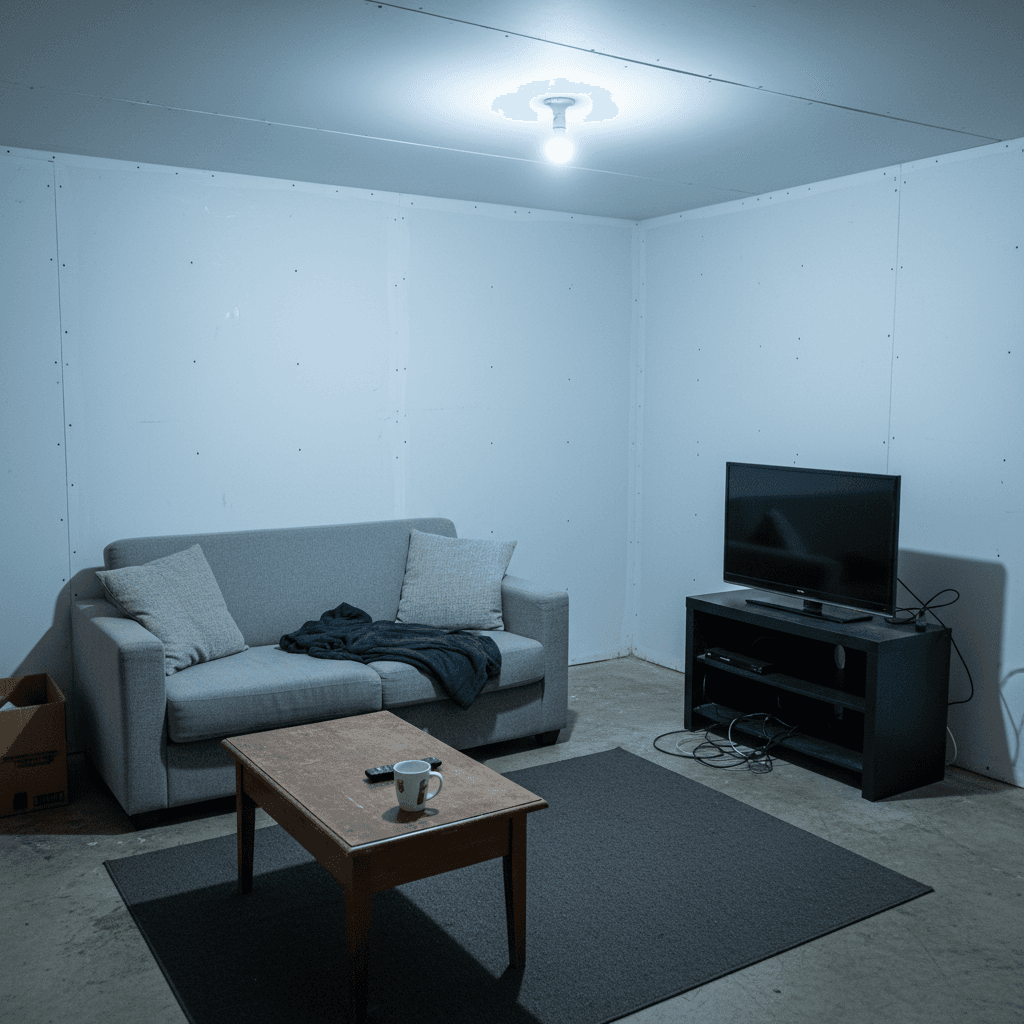
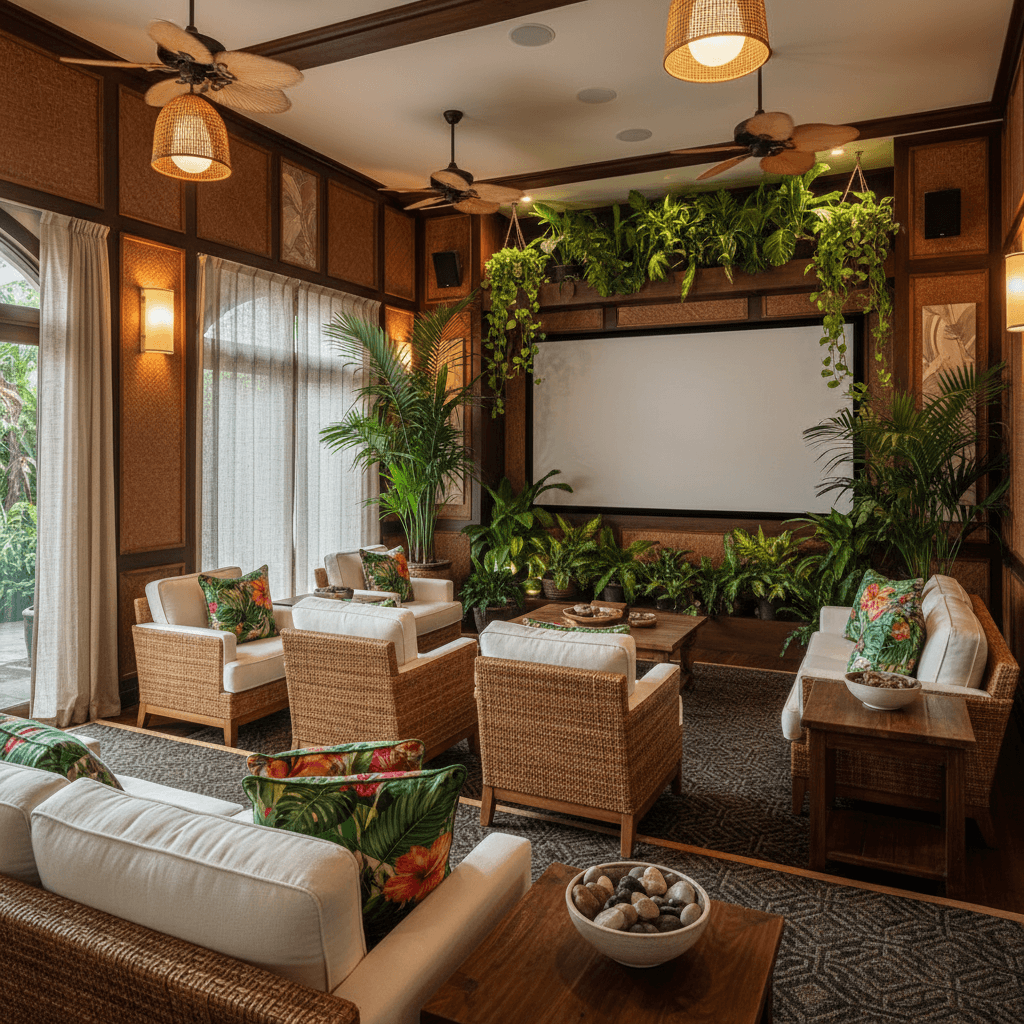
AI-generated tropical home theater redesign from a single photo
How to get Tropical Home Theater designs
1. Upload your photo
Take a photo of your room in good daylight and upload it directly from your phone or computer. No account required to try.
2. Select style and room type
Choose your design theme and confirm the room type. Add any specific details or requirements in the optional text field.
3. Download your designs
The AI generates your redesigned room in 30 to 60 seconds. Review the result, and download or share as needed.
Tropical design principles
Tropical interior design brings the outdoor environment inside, using plants, natural fibres, and warm humidity-appropriate materials to create rooms that feel like retreats rather than offices. The palette draws from nature — forest greens, clay reds, rattan browns, and clean whites — and the approach to accessories rewards abundance over restraint.
Commit to real plants, not artificial ones
A single large fiddle-leaf fig, bird of paradise, or monstera changes the quality of a room in a way that artificial plants cannot replicate. If natural light is limited, choose species that tolerate shade — pothos, ZZ plants, or peace lilies — rather than defaulting to silk alternatives.
Use rattan and woven materials generously
Rattan chairs, woven pendant lights, bamboo blinds, and jute rugs introduce the texture and warmth that the style depends on. Unlike wood or metal, these materials work at multiple price points without sacrificing authenticity, making tropical one of the more accessible styles to execute.
Choose a warm, nature-derived palette
Tropical palettes are not simply 'green and white'. The most effective versions include clay, terracotta, warm amber, and dusty leaf green alongside the brighter accent shades. Cooler blues and stark whites sit less naturally in tropical interiors and tend to pull the aesthetic toward coastal instead.
Open up the room to natural light
Tropical design looks its best when flooded with diffused daylight. Use sheer linen curtains rather than heavy drapes, clear obstructions from windows, and position mirrors to bounce light into darker corners. The goal is the dappled, generous quality of light in a shaded outdoor space.
Home Theater design considerations
A dedicated home theater room exists to maximise the audio-visual experience of watching film and television, which means its design brief is unusually technical. Every element — wall colour, seat arrangement, acoustic treatment, projector or screen placement, and lighting — either supports or undermines the viewing experience. Understanding these relationships before committing to finishes is particularly valuable.
Control ambient light completely
Projected images and even high-quality screens lose significant contrast and colour accuracy in the presence of ambient light. Full blackout window treatments are non-negotiable in a dedicated cinema room. Walls should be painted in dark, matte, non-reflective finishes — deep grey, charcoal, or dark navy are common choices — to prevent reflected light from the screen washing out dark areas of the image. Any bias lighting behind the screen (used to reduce eye strain) should be warm-toned and very low intensity.
Address acoustics from the room-planning stage
Bare walls and hard floors create reflected sound that degrades audio quality in ways that expensive speaker upgrades cannot overcome. Acoustic treatment in a home theater should address first-reflection points — the side walls and ceiling at the position where sound from the speakers first bounces before reaching the listener. Bass traps in corners control low-frequency buildup. Acoustic panels, heavy curtains, upholstered seating, and thick carpeting all contribute to sound absorption. These need to be planned into the room's design, not added as afterthought decoration.
Plan tiered seating for rooms deeper than 3.5 metres
In a long room with more than one row of seating, the second row will have obstructed sightlines unless it is elevated. A raised platform of 15–20cm behind the front row resolves this cleanly. The platform also provides a natural housing location for in-floor conduits routing speaker cables and power to the rear row. If the room depth allows for only one row, this consideration does not apply, but it is essential to plan for cable management from the start regardless.
Tropical Home Theater guides worth reading
Practical write-ups that go deeper than a single home theater page — how to photograph the room, how to pick a style, and what AI redesign actually changes.
AI Home Staging Before Selling: What Works (and Fails)
Traditional home staging is expensive and logistically complex. AI home staging is inexpensive and immediate. Understanding what e
Virtual Staging for Real Estate: Worth It in 2026?
Traditional staging costs between £1,500 and £5,000 for a mid-size property. AI virtual staging has reduced that cost to a fractio
Modern vs Minimalist Design: 5 Real Differences (2026)
Modern and minimalist are often used interchangeably, but they have different origins, different values, and different practical i
Redesign Your Living Room with AI: 7 Steps (2026 Guide)
AI room design tools have made it practical to visualise a completely different living room before spending anything on furniture
Before you pick an AI interior design tool
Magic Room is not the only way to generate these designs. Here is how it compares to the tools most people evaluate alongside it.
best RoomGPT alternatives for AI interior design
All four tools compared on AI model, photo retention, pricing model and output quality.
RoomGPT alternative
Why people switch from RoomGPT, and what changes when they do.
DecorAI alternative
Why people switch from DecorAI, and what changes when they do.
Magic Room vs RoomGPT
Side-by-side on AI model, photo privacy, pricing and output quality.