
Scandinavian Bedroom Design Ideas
By Thanos KazakisMagic Room founderUpdated
The Scandinavian bedroom creates its quality of rest through natural materials and warm layered light rather than complexity of decoration. Linen bedding, a wooden bedframe in a light species, and a nightstand lamp with a warm filament bulb establish the essential character, and any additions from that point can follow the same material logic. AI visualisation makes it simple to compare different timber tones and textile colours before purchasing.
See the transformation
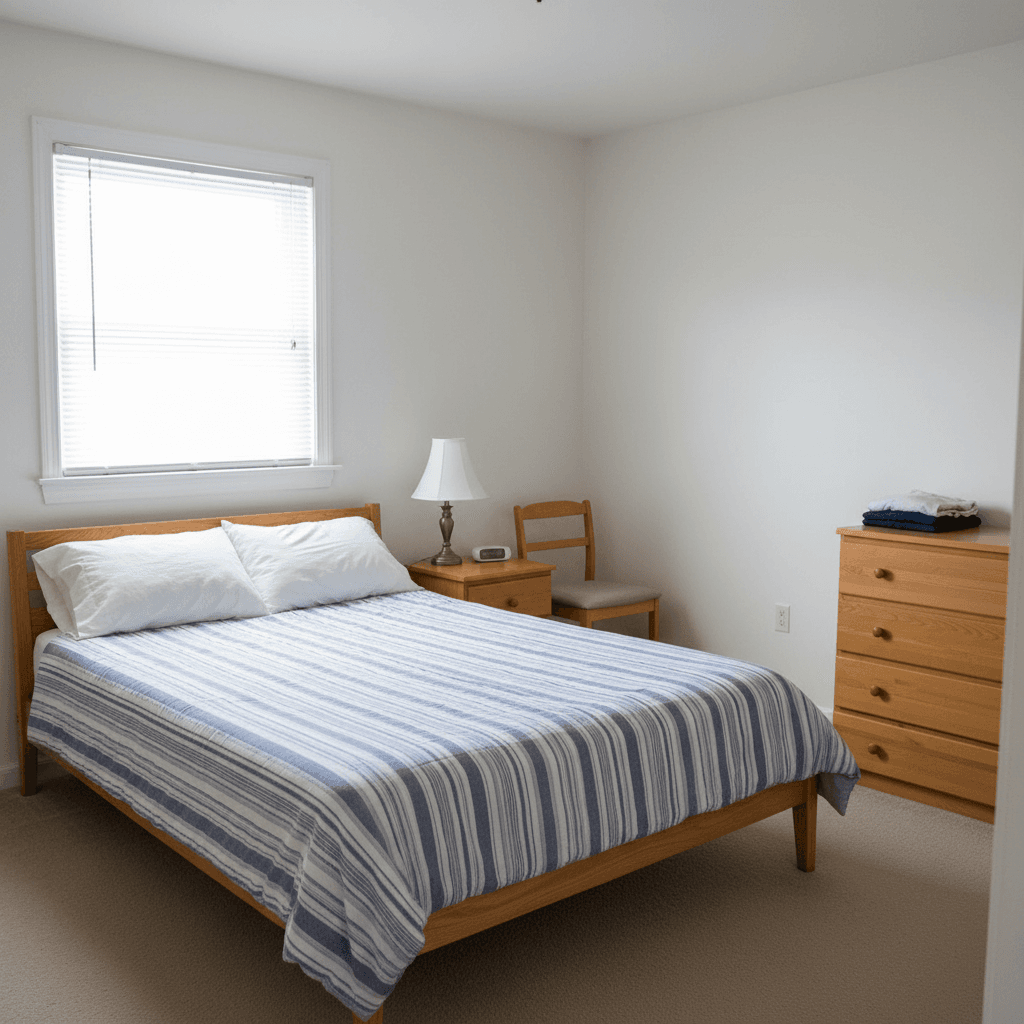
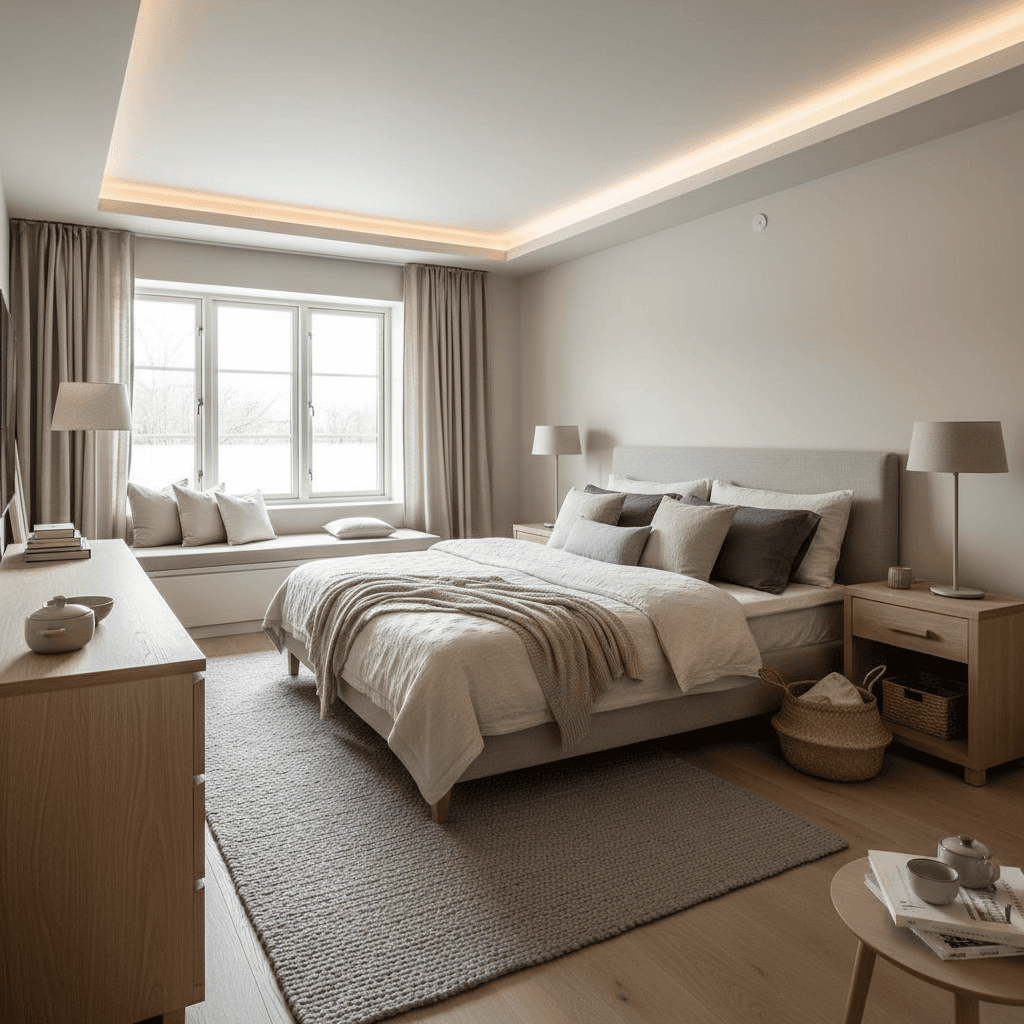
AI-generated scandinavian bedroom redesign from a single photo
How to get Scandinavian Bedroom designs
1. Upload your photo
Take a photo of your room in good daylight and upload it directly from your phone or computer. No account required to try.
2. Select style and room type
Choose your design theme and confirm the room type. Add any specific details or requirements in the optional text field.
3. Download your designs
The AI generates your redesigned room in 30 to 60 seconds. Review the result, and download or share as needed.
Scandinavian design principles
Scandinavian design emerged from a climate where winters are long and daylight is scarce, so rooms were engineered to maximise warmth and comfort without sacrificing practicality. Light woods, wool textiles, candlelight, and handcrafted objects give the style a human quality that purely minimal approaches can lack.
Layer light sources strategically
Scandinavian interiors rarely rely on a single overhead fixture. Floor lamps, table lamps, candles, and under-cabinet strips create pools of warm light at different heights. This layered approach makes rooms feel cocooning in the evenings without the harshness of central lighting alone.
Choose light woods over dark ones
Pine, birch, and oak in lighter finishes reflect more of the available natural light and prevent the heavy quality that characterises other traditional styles. When in doubt, go lighter — you can always add a darker piece as a contrast accent later.
Introduce the concept of hygge through textiles
The Danish concept of hygge — a feeling of cosy contentment — is achieved largely through textiles. Chunky knit throws, sheepskin rugs, linen curtains, and wool cushions make a room feel safe and inhabited rather than styled. Layer multiple textures rather than relying on a single statement piece.
Keep decoration functional
Scandinavian homes decorate with objects that do something — a ceramic mug on a shelf, a wooden tray holding candles, a stack of books used rather than arranged. This prevents the over-styled look that makes rooms feel like showrooms rather than places people actually live.
Bedroom design considerations
A bedroom's primary obligation is to support sleep — which means every design decision must be evaluated against how it affects rest, thermal comfort, light control, and the psychological sense of separation from the demands of daily life.
Blackout and light control
Light is the primary regulator of the human sleep-wake cycle, so controlling it is the single most important functional consideration in a bedroom. Full blackout blinds or lined curtains should be the default, regardless of aesthetic style. Sheer-only window treatments look elegant but actively impair sleep quality.
Bed position relative to the door
Placing the headboard against a solid wall, with a view of the door from the bed, is the arrangement most people find instinctively restful. Beds positioned so the door opens directly onto the sleeper's feet, or with the headboard against a window, tend to feel unsettling even when the room otherwise looks good.
Temperature and ventilation materials
Synthetic textiles, VOC-emitting finishes, and poor air circulation all affect bedroom air quality and sleep temperature. Natural fibre bedding (cotton, linen, or wool), breathable mattress materials, and a window that can be safely opened overnight cost no more than their alternatives and measurably improve sleep.
Frequently asked questions
Other styles for your Bedroom
Vintage Bedroom Design Ideas
Character from another era, curated for life today
Art Deco Bedroom Design Ideas
Glamour, geometry, and gold — the roaring twenties reimagined
Bohemian Bedroom Design Ideas
Collected over time, layered with intention, unapologetically individual
Coastal Bedroom Design Ideas
Breezy, light-filled spaces that bring the ocean indoors
Farmhouse Bedroom Design Ideas
Warmth, patina, and the honest beauty of working materials
Japandi Bedroom Design Ideas
Wabi-sabi meets hygge — imperfect simplicity
Luxury Bedroom Design Ideas
Exceptional materials, expert craft, enduring quality
Scandinavian Bedroom guides worth reading
Practical write-ups that go deeper than a single bedroom page — how to photograph the room, how to pick a style, and what AI redesign actually changes.
Virtual Staging for Real Estate: Worth It in 2026?
Traditional staging costs between £1,500 and £5,000 for a mid-size property. AI virtual staging has reduced that cost to a fractio
Scandinavian Design: 12 Ideas for Small Spaces (2026)
Scandinavian design was developed in countries where domestic spaces are relatively small and daylight is seasonal. Its principles
Interior Design on a Budget: 9 AI Hacks for 2026
The most expensive design mistake is buying things in the wrong order. AI visualisation changes the sequence of decision-making in
Best AI Interior Design Tools 2026: Privacy & Price Compared
There are now dozens of AI tools that claim to redesign rooms from a single photo. They vary significantly in the AI model used, p
Before you pick an AI interior design tool
Magic Room is not the only way to generate these designs. Here is how it compares to the tools most people evaluate alongside it.
best RoomGPT alternatives for AI interior design
All four tools compared on AI model, photo retention, pricing model and output quality.
RoomGPT alternative
Why people switch from RoomGPT, and what changes when they do.
DecorAI alternative
Why people switch from DecorAI, and what changes when they do.
Magic Room vs RoomGPT
Side-by-side on AI model, photo privacy, pricing and output quality.