
Scandinavian Kitchen Design Ideas
By Thanos KazakisMagic Room founderUpdated
A Scandinavian kitchen applies the style's characteristic editing discipline to a functional space, resulting in cabinetry that is plain and well-made, surfaces that reward daily use, and an emphasis on honest materials over applied decoration. Light timber details, matte painted cabinets in warm whites or sage greens, and simple hardware in brushed finishes are the vocabulary. Rendering these choices in context helps assess whether the overall warmth level is sufficient before committing.
See the transformation
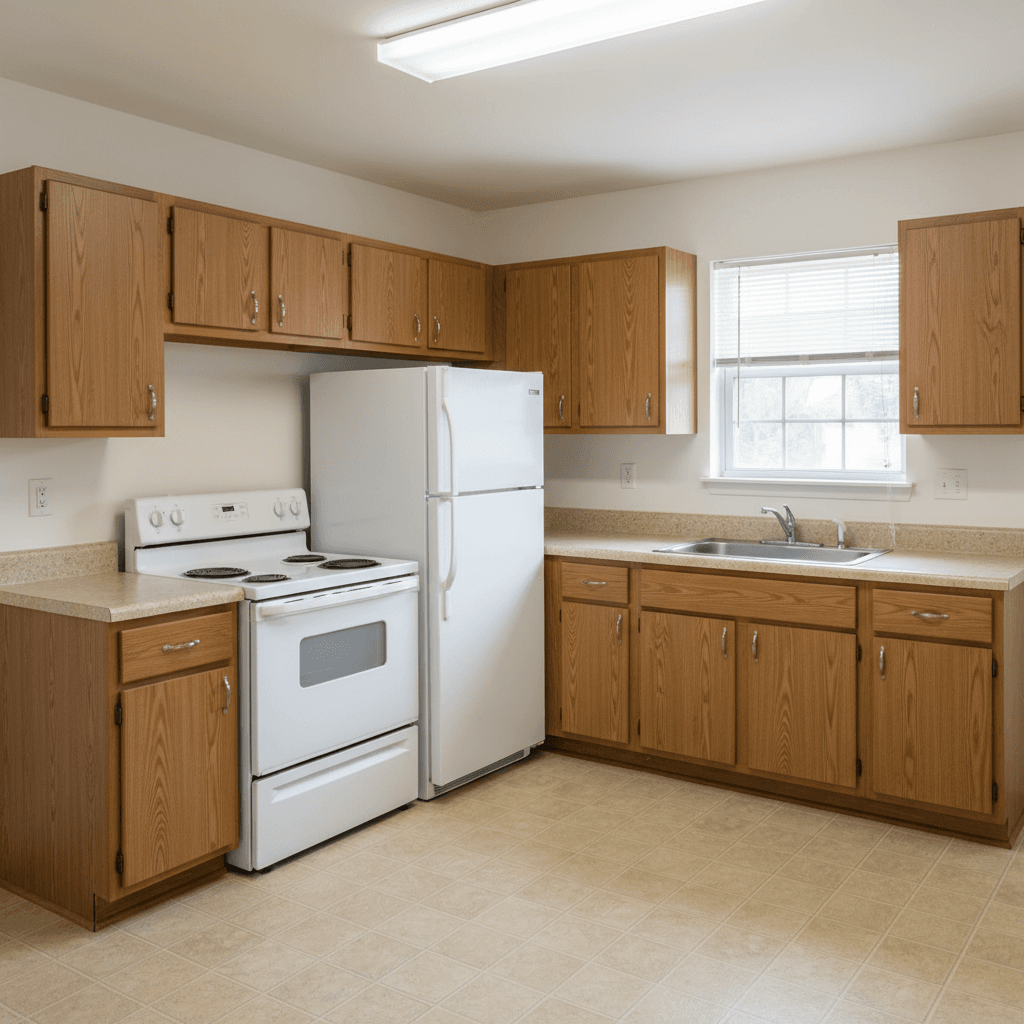
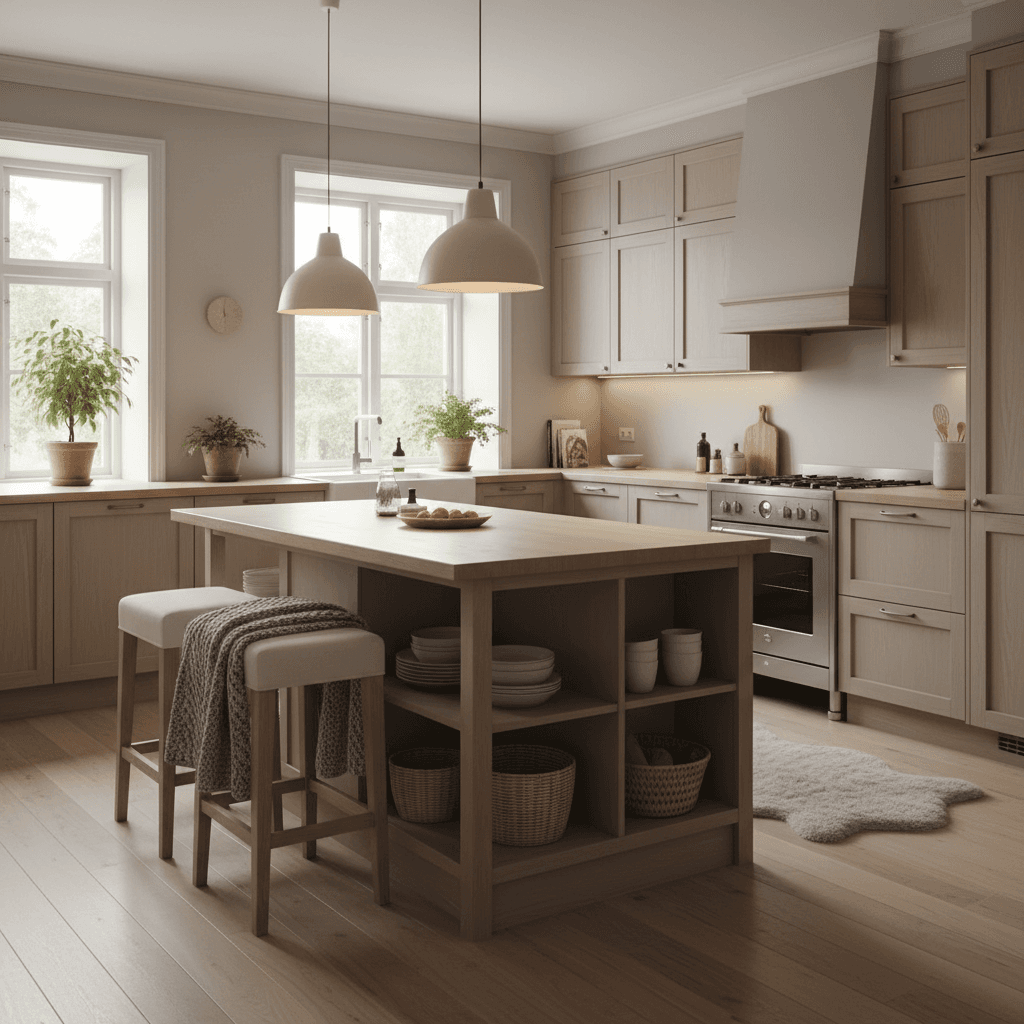
AI-generated scandinavian kitchen redesign from a single photo
How to get Scandinavian Kitchen designs
1. Upload your photo
Take a photo of your room in good daylight and upload it directly from your phone or computer. No account required to try.
2. Select style and room type
Choose your design theme and confirm the room type. Add any specific details or requirements in the optional text field.
3. Download your designs
The AI generates your redesigned room in 30 to 60 seconds. Review the result, and download or share as needed.
Scandinavian design principles
Scandinavian design emerged from a climate where winters are long and daylight is scarce, so rooms were engineered to maximise warmth and comfort without sacrificing practicality. Light woods, wool textiles, candlelight, and handcrafted objects give the style a human quality that purely minimal approaches can lack.
Layer light sources strategically
Scandinavian interiors rarely rely on a single overhead fixture. Floor lamps, table lamps, candles, and under-cabinet strips create pools of warm light at different heights. This layered approach makes rooms feel cocooning in the evenings without the harshness of central lighting alone.
Choose light woods over dark ones
Pine, birch, and oak in lighter finishes reflect more of the available natural light and prevent the heavy quality that characterises other traditional styles. When in doubt, go lighter — you can always add a darker piece as a contrast accent later.
Introduce the concept of hygge through textiles
The Danish concept of hygge — a feeling of cosy contentment — is achieved largely through textiles. Chunky knit throws, sheepskin rugs, linen curtains, and wool cushions make a room feel safe and inhabited rather than styled. Layer multiple textures rather than relying on a single statement piece.
Keep decoration functional
Scandinavian homes decorate with objects that do something — a ceramic mug on a shelf, a wooden tray holding candles, a stack of books used rather than arranged. This prevents the over-styled look that makes rooms feel like showrooms rather than places people actually live.
Kitchen design considerations
The kitchen is the most technically complex room in a home to design well, because it must solve a functional workflow problem — food preparation, cooking, cleaning, and storage — while also meeting the aesthetic expectations of one of the most-used and most-photographed spaces in any home.
The work triangle and workflow efficiency
Kitchen designers use the concept of the work triangle — the relationship between sink, hob, and refrigerator — as a starting framework for layout. The combined distances between these three points should ideally total between 4 and 8 metres. But in modern open-plan kitchens, workflow zones (prep, cooking, cleaning, storage) are often a more useful organising principle than the triangle.
Ventilation as a structural priority
Effective extraction above a cooking surface is not an optional upgrade — it affects air quality, surface maintenance, and the longevity of cabinetry and finishes throughout the room. The extraction rate (measured in cubic metres per hour) should be sized to the volume of the kitchen, not the size of the hob.
Countertop material selection and maintenance
Kitchen worktop materials vary enormously in their maintenance requirements, heat resistance, stain resistance, and durability. Marble is visually exceptional but requires sealing and accepts surface marks. Quartz composites resist most damage but can be damaged by extreme heat. Solid hardwood develops character but needs oiling. Choose based on how you actually cook, not on how the surface photographs.
Frequently asked questions
Scandinavian Kitchen guides worth reading
Practical write-ups that go deeper than a single kitchen page — how to photograph the room, how to pick a style, and what AI redesign actually changes.
Industrial Kitchen Design: 15 Ideas That Actually Work
The industrial kitchen references commercial cooking infrastructure — steel, open shelving, exposed utilities — and translates it
Scandinavian Design: 12 Ideas for Small Spaces (2026)
Scandinavian design was developed in countries where domestic spaces are relatively small and daylight is seasonal. Its principles
Interior Design on a Budget: 9 AI Hacks for 2026
The most expensive design mistake is buying things in the wrong order. AI visualisation changes the sequence of decision-making in
Best AI Interior Design Tools 2026: Privacy & Price Compared
There are now dozens of AI tools that claim to redesign rooms from a single photo. They vary significantly in the AI model used, p
Before you pick an AI interior design tool
Magic Room is not the only way to generate these designs. Here is how it compares to the tools most people evaluate alongside it.
best RoomGPT alternatives for AI interior design
All four tools compared on AI model, photo retention, pricing model and output quality.
RoomGPT alternative
Why people switch from RoomGPT, and what changes when they do.
DecorAI alternative
Why people switch from DecorAI, and what changes when they do.
Magic Room vs RoomGPT
Side-by-side on AI model, photo privacy, pricing and output quality.