
Coastal Kitchen Design Ideas
By Thanos KazakisMagic Room founderUpdated
Generate coastal kitchen design ideas instantly with AI.
See the transformation
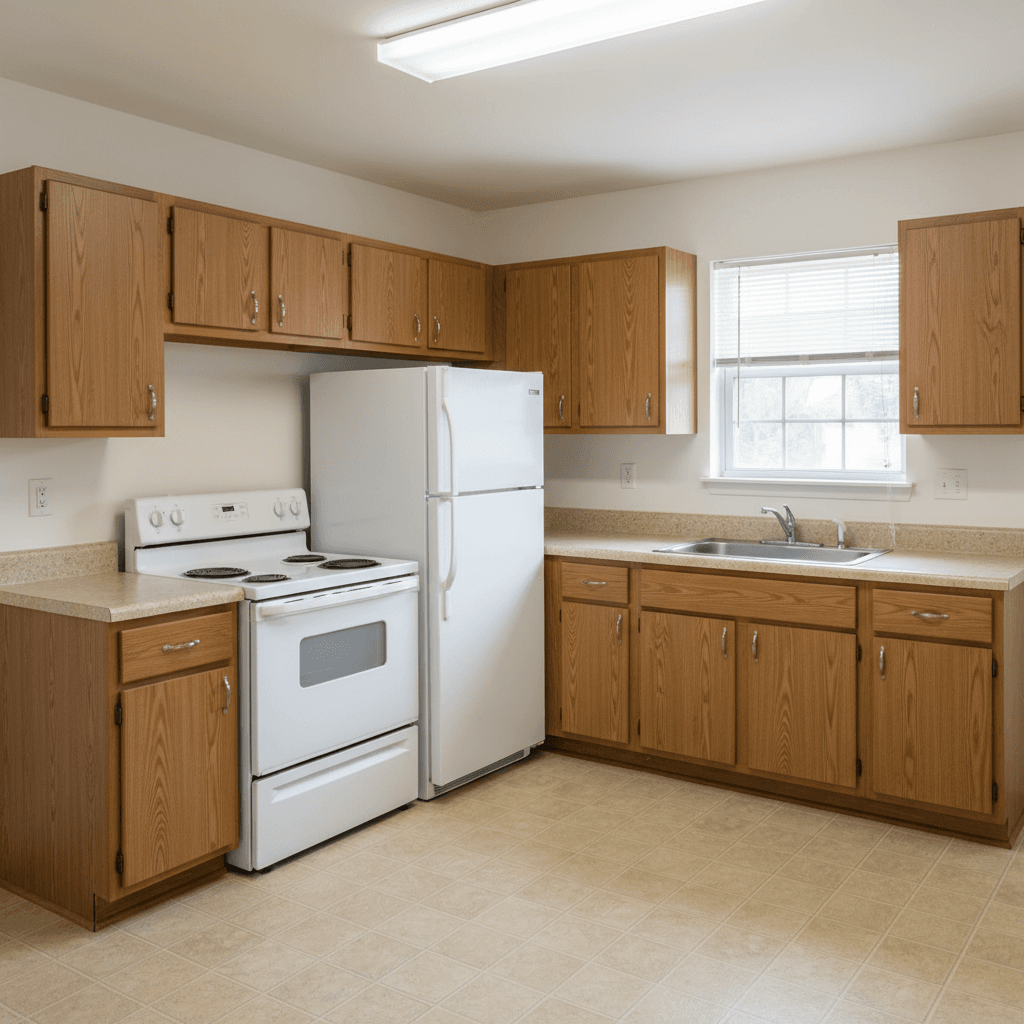
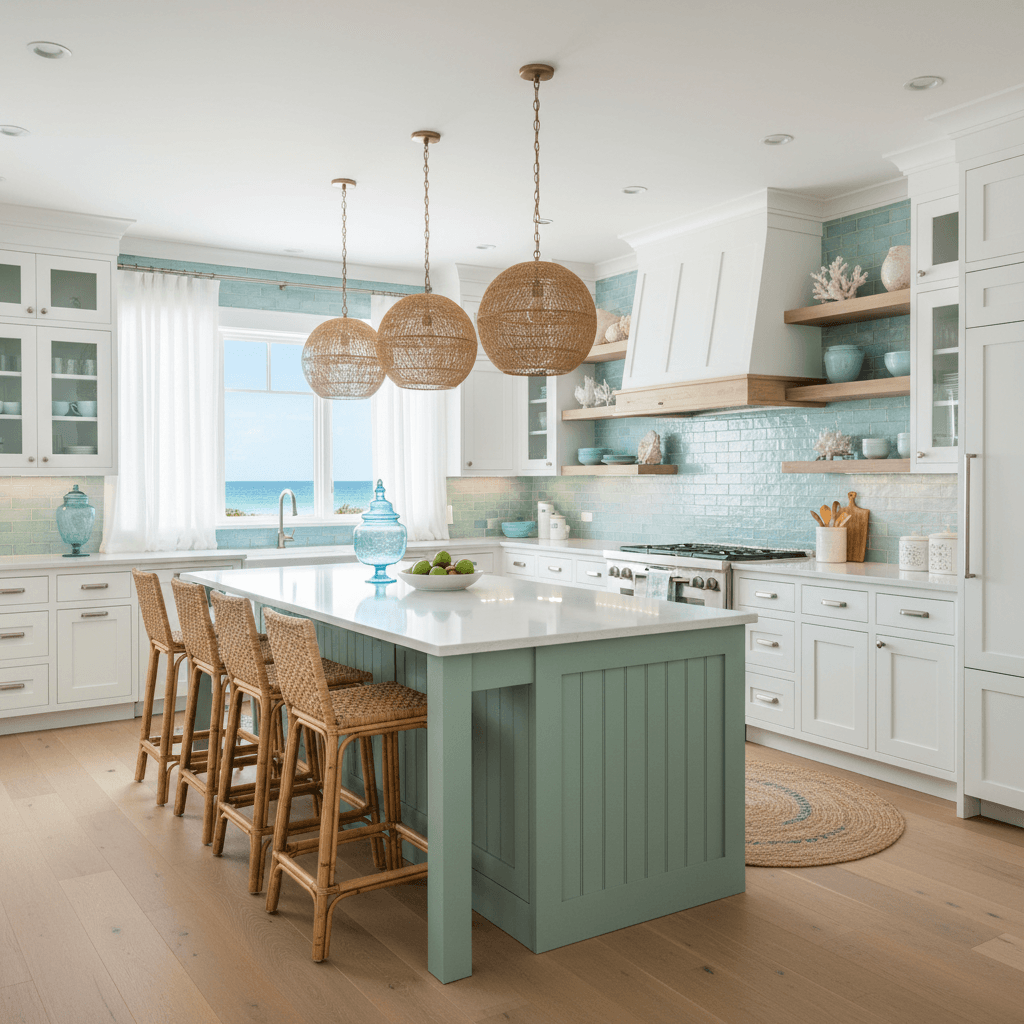
AI-generated coastal kitchen redesign from a single photo
How to get Coastal Kitchen designs
1. Upload your photo
Take a photo of your room in good daylight and upload it directly from your phone or computer. No account required to try.
2. Select style and room type
Choose your design theme and confirm the room type. Add any specific details or requirements in the optional text field.
3. Download your designs
The AI generates your redesigned room in 30 to 60 seconds. Review the result, and download or share as needed.
Coastal design principles
Coastal design distils the sensory experience of seaside living into an interior language — salt-bleached timbers, woven textures, the shifting blue-green palette of shallow water, and an abundance of natural light. At its best it is neither nautical-themed nor literalist; instead it creates rooms that feel genuinely relaxed and connected to the natural environment outside, with materials and colours that reference the coast without reproducing it.
Prioritise natural light and window treatments that maximise it
Natural light is the defining quality of coastal interiors. Replace heavy drapes with linen sheers, remove window frames that block peripheral light, and use pale, reflective surfaces on walls and floors to carry that light deeper into the room. Light-coloured linen or cotton voile panels that move in a breeze are more faithful to the coastal aesthetic than any decorative element you could add.
Build the palette around whites, sand, and water
A coastal palette is bleached and light — white, off-white, warm sand, driftwood grey, and the blue-greens of shallow sea water. The blue-green tones should be soft and slightly desaturated; saturated navy or royal blue feels nautical rather than coastal. Use the lighter neutrals as the primary base and introduce the blue-green tones selectively through textiles, ceramics, or a single accent wall.
Choose natural, tactile materials over synthetic alternatives
Seagrass, sisal, rattan, woven cotton, weathered oak, and unglazed ceramics all carry the material sensibility of the coast. When selecting furniture and accessories, ask whether the material itself could have come from or been shaped by a coastal environment. Avoid plastic or resin equivalents of natural materials — they flatten the tactile quality that makes coastal interiors feel genuinely relaxing.
Avoid over-theming with nautical accessories
Anchor prints, ship wheels, and lighthouse ornaments signal 'beach house' rather than creating an actual coastal atmosphere. The most convincing coastal interiors rely on material quality, light, and spatial openness rather than thematic decoration. If you want a reference to the sea, a large piece of sea glass, a bowl of smooth stones, or a single botanical print of coastal flora will do more than a shelf of maritime ornaments.
Kitchen design considerations
The kitchen is the most technically complex room in a home to design well, because it must solve a functional workflow problem — food preparation, cooking, cleaning, and storage — while also meeting the aesthetic expectations of one of the most-used and most-photographed spaces in any home.
The work triangle and workflow efficiency
Kitchen designers use the concept of the work triangle — the relationship between sink, hob, and refrigerator — as a starting framework for layout. The combined distances between these three points should ideally total between 4 and 8 metres. But in modern open-plan kitchens, workflow zones (prep, cooking, cleaning, storage) are often a more useful organising principle than the triangle.
Ventilation as a structural priority
Effective extraction above a cooking surface is not an optional upgrade — it affects air quality, surface maintenance, and the longevity of cabinetry and finishes throughout the room. The extraction rate (measured in cubic metres per hour) should be sized to the volume of the kitchen, not the size of the hob.
Countertop material selection and maintenance
Kitchen worktop materials vary enormously in their maintenance requirements, heat resistance, stain resistance, and durability. Marble is visually exceptional but requires sealing and accepts surface marks. Quartz composites resist most damage but can be damaged by extreme heat. Solid hardwood develops character but needs oiling. Choose based on how you actually cook, not on how the surface photographs.
Coastal Kitchen guides worth reading
Practical write-ups that go deeper than a single kitchen page — how to photograph the room, how to pick a style, and what AI redesign actually changes.
Industrial Kitchen Design: 15 Ideas That Actually Work
The industrial kitchen references commercial cooking infrastructure — steel, open shelving, exposed utilities — and translates it
Redesign Your Bedroom with AI: 8 Styles to Try in 2026
Bedrooms are intensely personal spaces where the result needs to be functional, not just visually appealing. Here is how to approa
AI Home Office Design: 10 Ideas for 2026 Workspaces
Home offices need to function well for focused work and appear professional in video calls. AI design tools can help you see possi
Scandinavian Design: 12 Ideas for Small Spaces (2026)
Scandinavian design was developed in countries where domestic spaces are relatively small and daylight is seasonal. Its principles
Before you pick an AI interior design tool
Magic Room is not the only way to generate these designs. Here is how it compares to the tools most people evaluate alongside it.
best RoomGPT alternatives for AI interior design
All four tools compared on AI model, photo retention, pricing model and output quality.
RoomGPT alternative
Why people switch from RoomGPT, and what changes when they do.
DecorAI alternative
Why people switch from DecorAI, and what changes when they do.
Magic Room vs RoomGPT
Side-by-side on AI model, photo privacy, pricing and output quality.