
Vintage Gaming Room Design Ideas
By Thanos KazakisMagic Room founderUpdated
A vintage gaming room applies the style's aesthetic to an inherently contemporary activity, using older furniture — a 1970s sofa, a set of vintage shelving units, a leather club chair — as the setting for modern screens and equipment. The contrast between the period furnishings and the technology creates a room that feels genuinely distinctive, particularly when the gaming hardware itself draws from earlier console generations.
See the transformation
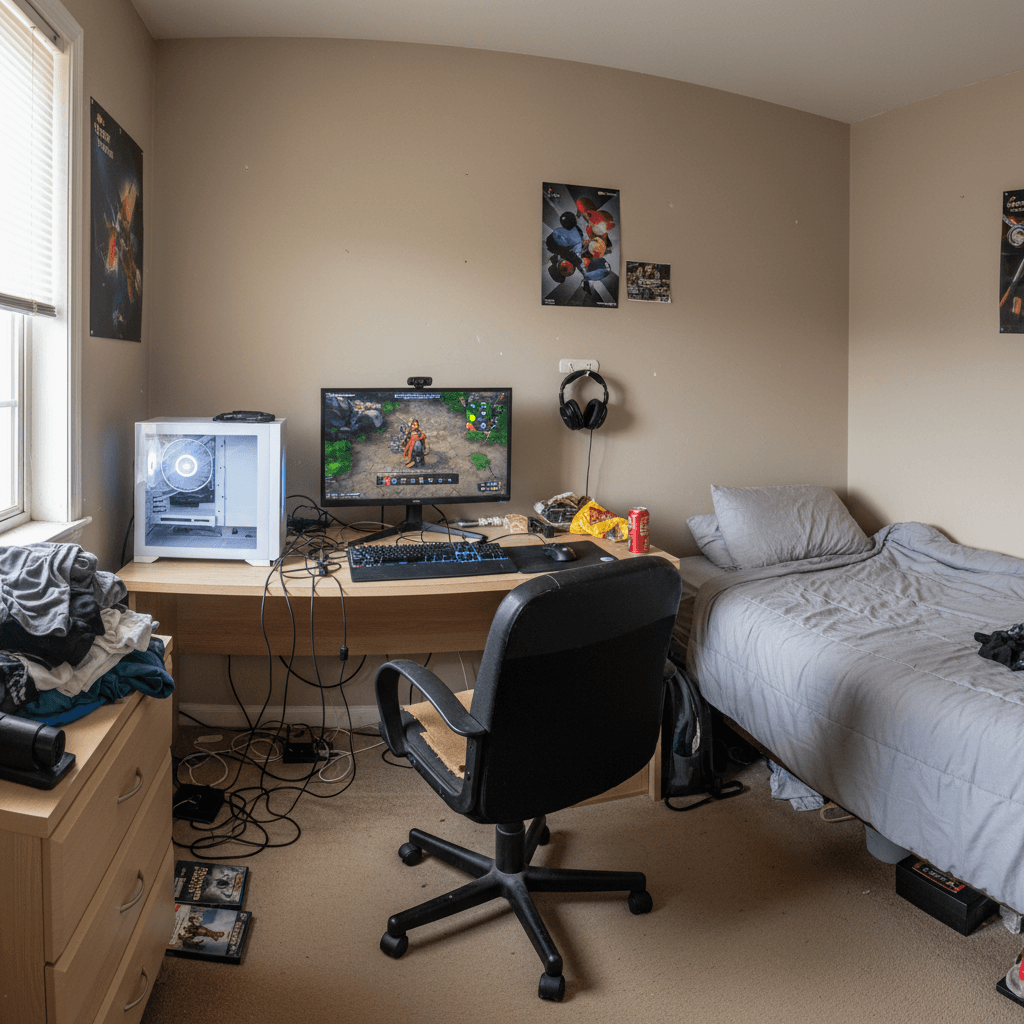
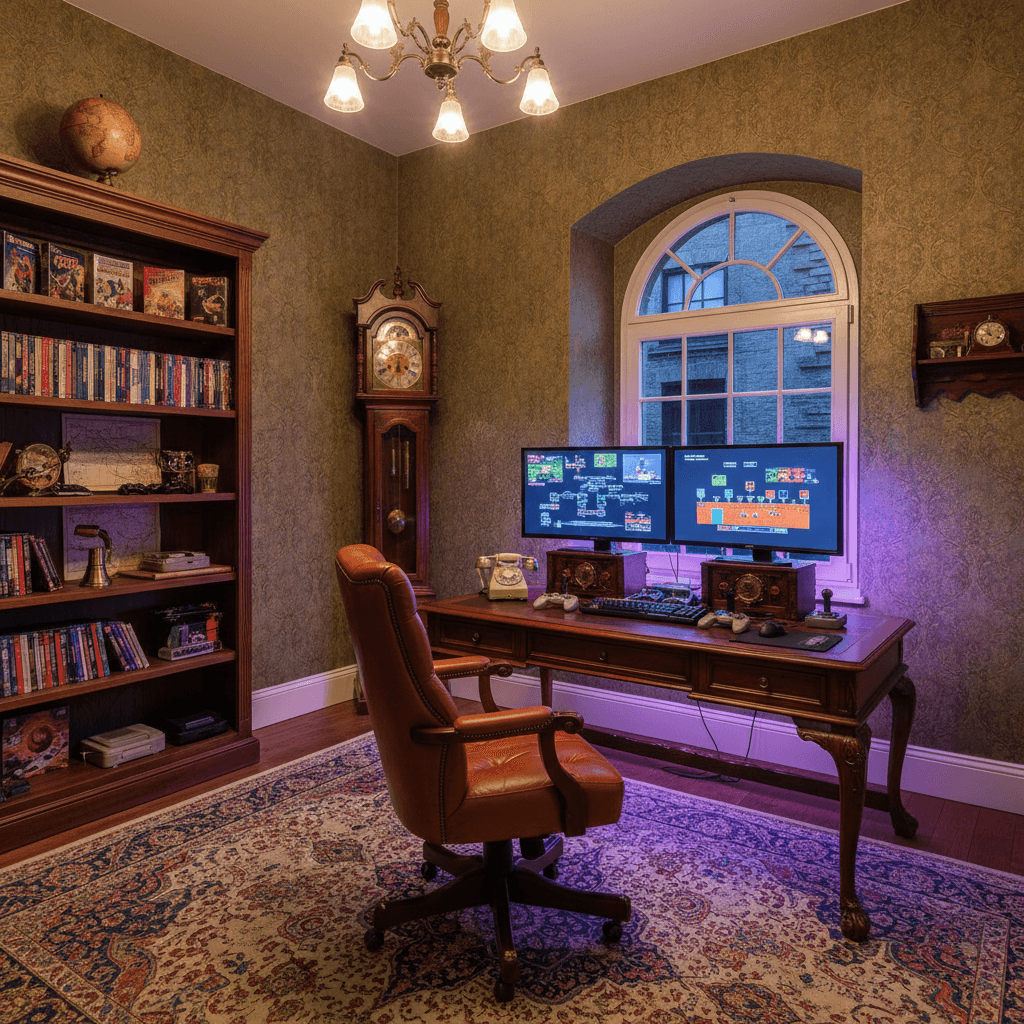
AI-generated vintage gaming room redesign from a single photo
How to get Vintage Gaming Room designs
1. Upload your photo
Take a photo of your room in good daylight and upload it directly from your phone or computer. No account required to try.
2. Select style and room type
Choose your design theme and confirm the room type. Add any specific details or requirements in the optional text field.
3. Download your designs
The AI generates your redesigned room in 30 to 60 seconds. Review the result, and download or share as needed.
Vintage design principles
Vintage design does not recreate a specific historical period faithfully — that is the territory of period restoration. Instead it draws selectively from the past, mixing mid-century furniture with art deco lighting or Victorian ironwork with 1970s ceramics, to create rooms that feel richly layered rather than museum-like.
Anchor the room with one strong period piece
Rather than filling a room with many small vintage items, choose one dominant piece from a particular era — a 1950s credenza, a 1930s club sofa, or a set of genuine Victorian dining chairs — and build the rest of the room around it. This approach creates coherence without requiring everything to match.
Mix vintage with new deliberately
A room furnished entirely with antiques can feel heavy and inaccessible. Pairing a period piece with contemporary lighting, a modern paint colour, or new upholstery fabric keeps the space from feeling frozen in time. The contrast makes both the old and the new feel more intentional.
Restore rather than disguise patina
The marks that age leaves on furniture — worn leather, faded gilding, paint layers showing through — are the qualities that make vintage pieces valuable. Cleaning and stabilising is appropriate; painting everything white or reupholstering in trendy fabric often destroys what made the piece interesting.
Source from estate sales and specialist dealers
Charity shops and general second-hand markets yield occasional finds, but estate sales of properties from specific decades and dealers who specialise in particular periods offer far better access to quality pieces. The extra effort in sourcing shows in the finished room.
Gaming Room design considerations
A dedicated gaming room needs to solve several technical problems simultaneously — screen glare control, acoustic management, cable organisation, and ergonomic seating for extended sessions — while creating an environment that is genuinely motivating to spend time in.
Screen placement and ambient light control
Monitor glare and ambient light that washes out a display are the most common functional problems in gaming rooms. Blackout blinds or heavy curtains are often essential even if the room faces away from direct sunlight, since overhead lighting and reflected daylight can significantly degrade image quality. Position screens away from windows where possible, or use anti-glare panels.
Seating designed for extended use
Gaming sessions lasting several hours place specific demands on seating that general lounge furniture does not meet. The lumbar support, seat depth, armrest height, and reclining range of a chair matter considerably when someone is seated and focused for two to four hours at a time. Ergonomic gaming chairs and monitors at correct eye height together reduce the most common physical complaints associated with extended gaming.
Acoustic treatment for both immersion and consideration
Sound quality matters in a gaming environment, but so does containing that sound. Acoustic foam panels or fabric-wrapped acoustic boards on walls reduce reflected sound inside the room, improving the clarity of surround sound or headphone audio. They also reduce the amount of noise that travels to adjacent rooms, which matters considerably in shared households.
Frequently asked questions
Other styles for your Gaming Room
Vintage Gaming Room guides worth reading
Practical write-ups that go deeper than a single gaming room page — how to photograph the room, how to pick a style, and what AI redesign actually changes.
Interior Design on a Budget: 9 AI Hacks for 2026
The most expensive design mistake is buying things in the wrong order. AI visualisation changes the sequence of decision-making in
Best AI Interior Design Tools 2026: Privacy & Price Compared
There are now dozens of AI tools that claim to redesign rooms from a single photo. They vary significantly in the AI model used, p
AI Home Staging Before Selling: What Works (and Fails)
Traditional home staging is expensive and logistically complex. AI home staging is inexpensive and immediate. Understanding what e
Virtual Staging for Real Estate: Worth It in 2026?
Traditional staging costs between £1,500 and £5,000 for a mid-size property. AI virtual staging has reduced that cost to a fractio
Before you pick an AI interior design tool
Magic Room is not the only way to generate these designs. Here is how it compares to the tools most people evaluate alongside it.
best RoomGPT alternatives for AI interior design
All four tools compared on AI model, photo retention, pricing model and output quality.
Reimagine Home alternative
Why people switch from Reimagine Home, and what changes when they do.
Interior AI alternative
Why people switch from Interior AI, and what changes when they do.
Magic Room vs Reimagine Home
Side-by-side on AI model, photo privacy, pricing and output quality.