
Scandinavian Sunroom Design Ideas
By Thanos KazakisMagic Room founderUpdated
Generate scandinavian sunroom design ideas instantly with AI.
See the transformation
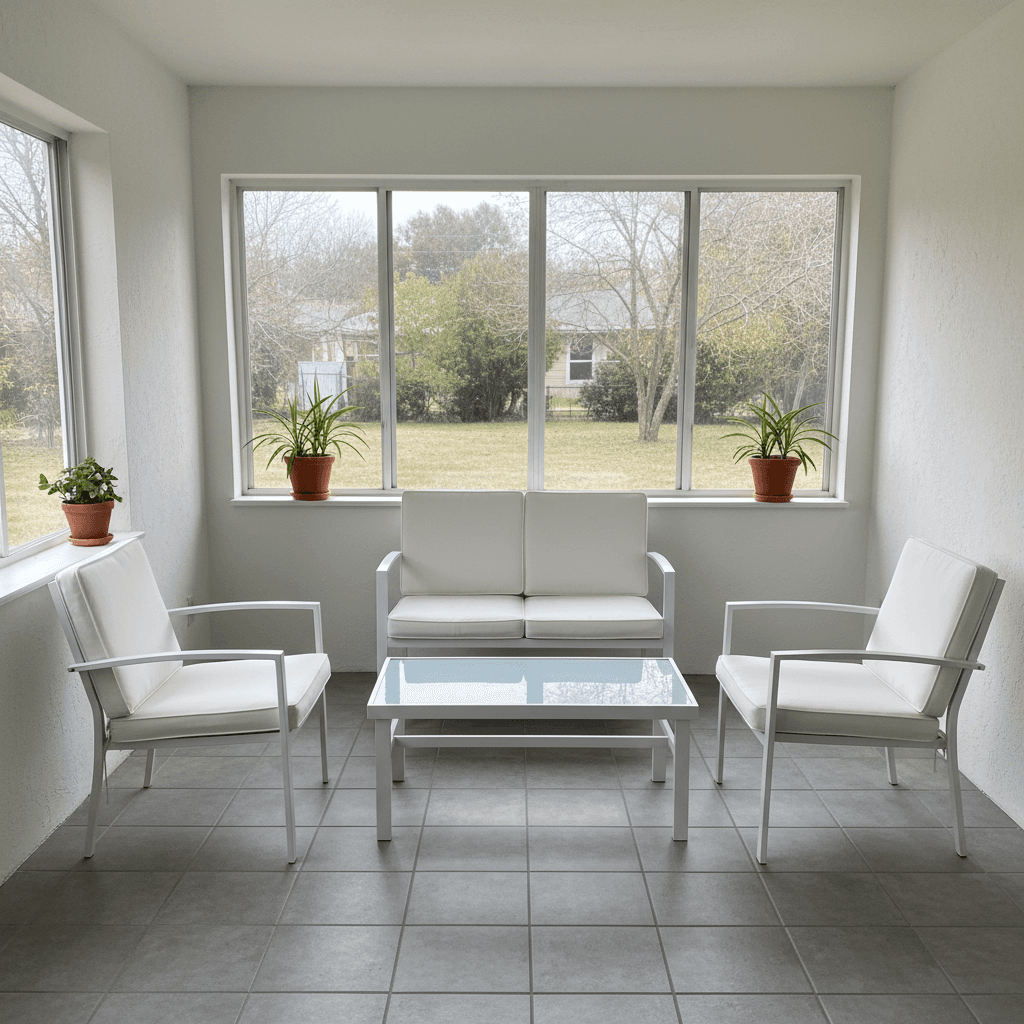
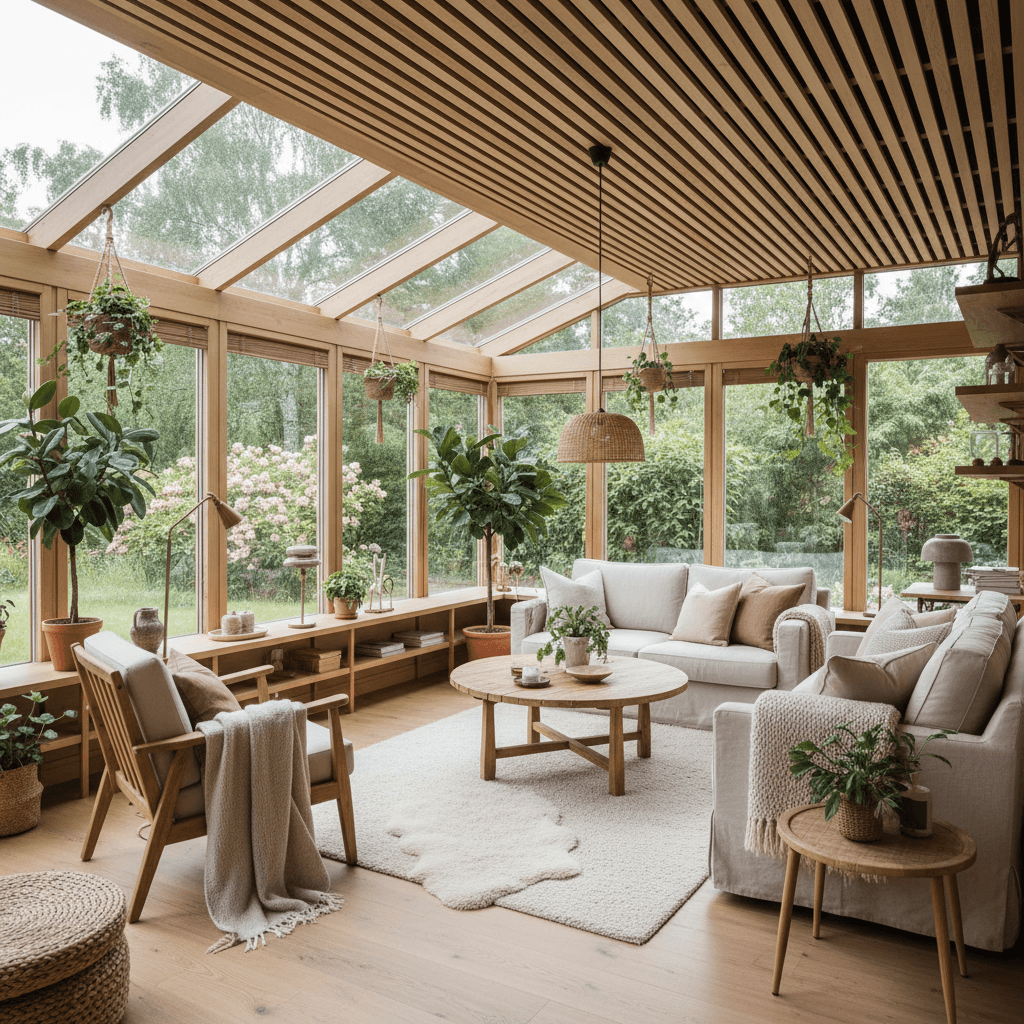
AI-generated scandinavian sunroom redesign from a single photo
How to get Scandinavian Sunroom designs
1. Upload your photo
Take a photo of your room in good daylight and upload it directly from your phone or computer. No account required to try.
2. Select style and room type
Choose your design theme and confirm the room type. Add any specific details or requirements in the optional text field.
3. Download your designs
The AI generates your redesigned room in 30 to 60 seconds. Review the result, and download or share as needed.
Scandinavian design principles
Scandinavian design emerged from a climate where winters are long and daylight is scarce, so rooms were engineered to maximise warmth and comfort without sacrificing practicality. Light woods, wool textiles, candlelight, and handcrafted objects give the style a human quality that purely minimal approaches can lack.
Layer light sources strategically
Scandinavian interiors rarely rely on a single overhead fixture. Floor lamps, table lamps, candles, and under-cabinet strips create pools of warm light at different heights. This layered approach makes rooms feel cocooning in the evenings without the harshness of central lighting alone.
Choose light woods over dark ones
Pine, birch, and oak in lighter finishes reflect more of the available natural light and prevent the heavy quality that characterises other traditional styles. When in doubt, go lighter — you can always add a darker piece as a contrast accent later.
Introduce the concept of hygge through textiles
The Danish concept of hygge — a feeling of cosy contentment — is achieved largely through textiles. Chunky knit throws, sheepskin rugs, linen curtains, and wool cushions make a room feel safe and inhabited rather than styled. Layer multiple textures rather than relying on a single statement piece.
Keep decoration functional
Scandinavian homes decorate with objects that do something — a ceramic mug on a shelf, a wooden tray holding candles, a stack of books used rather than arranged. This prevents the over-styled look that makes rooms feel like showrooms rather than places people actually live.
Sunroom design considerations
A sunroom occupies an unusual position in a home — partly interior, partly exterior, designed to maximise natural light and connection to the garden while remaining sheltered from weather. Its design brief is distinct from any other room: the architecture and glazing do most of the work, and the interior furnishing must respond to those conditions — intense light, temperature variation, and visual connection to the outside — rather than fight them.
Choose materials that tolerate direct sunlight and heat
A south-facing sunroom can reach very high temperatures in summer and suffer significant UV exposure year-round. Many materials that perform well in shaded interior rooms fade, warp, or deteriorate under these conditions. Choose UV-stable fabrics — solution-dyed acrylic outdoor fabrics perform exceptionally well — and avoid dark upholstery that will absorb heat uncomfortably. Solid hardwood furniture may develop stress cracks in rooms with significant temperature and humidity fluctuation; engineered pieces or materials designed for outdoor use will outlast them.
Design for glare management alongside light maximisation
The same glazing that makes a sunroom bright and pleasant in winter can create uncomfortable glare and heat in summer. Cellular blinds or roller blinds with heat-reflective backing can be fitted within the roof glazing to reduce solar gain without eliminating daylight. Planting outside the glazed walls — deciduous climbers that provide shade in summer and admit light after leaf-fall in winter — is an elegant and effective long-term solution.
Connect the flooring to the outdoor space visually
One of the most effective design moves in a sunroom is to use a flooring material that bridges indoors and outdoors — large-format porcelain tile that continues as paving outside, or natural stone used inside and on an adjacent terrace. This visual continuity makes the garden feel like an extension of the interior rather than a separate space, which is precisely the quality that makes sunrooms valuable as living spaces.
Scandinavian Sunroom guides worth reading
Practical write-ups that go deeper than a single sunroom page — how to photograph the room, how to pick a style, and what AI redesign actually changes.
Scandinavian Design: 12 Ideas for Small Spaces (2026)
Scandinavian design was developed in countries where domestic spaces are relatively small and daylight is seasonal. Its principles
Virtual Staging for Real Estate: Worth It in 2026?
Traditional staging costs between £1,500 and £5,000 for a mid-size property. AI virtual staging has reduced that cost to a fractio
Modern vs Minimalist Design: 5 Real Differences (2026)
Modern and minimalist are often used interchangeably, but they have different origins, different values, and different practical i
Redesign Your Living Room with AI: 7 Steps (2026 Guide)
AI room design tools have made it practical to visualise a completely different living room before spending anything on furniture
Before you pick an AI interior design tool
Magic Room is not the only way to generate these designs. Here is how it compares to the tools most people evaluate alongside it.
best RoomGPT alternatives for AI interior design
All four tools compared on AI model, photo retention, pricing model and output quality.
DecorAI alternative
Why people switch from DecorAI, and what changes when they do.
Reimagine Home alternative
Why people switch from Reimagine Home, and what changes when they do.
Magic Room vs DecorAI
Side-by-side on AI model, photo privacy, pricing and output quality.