
Mediterranean Bathroom Design Ideas
By Thanos KazakisMagic Room founderUpdated
Generate mediterranean bathroom design ideas instantly with AI.
See the transformation
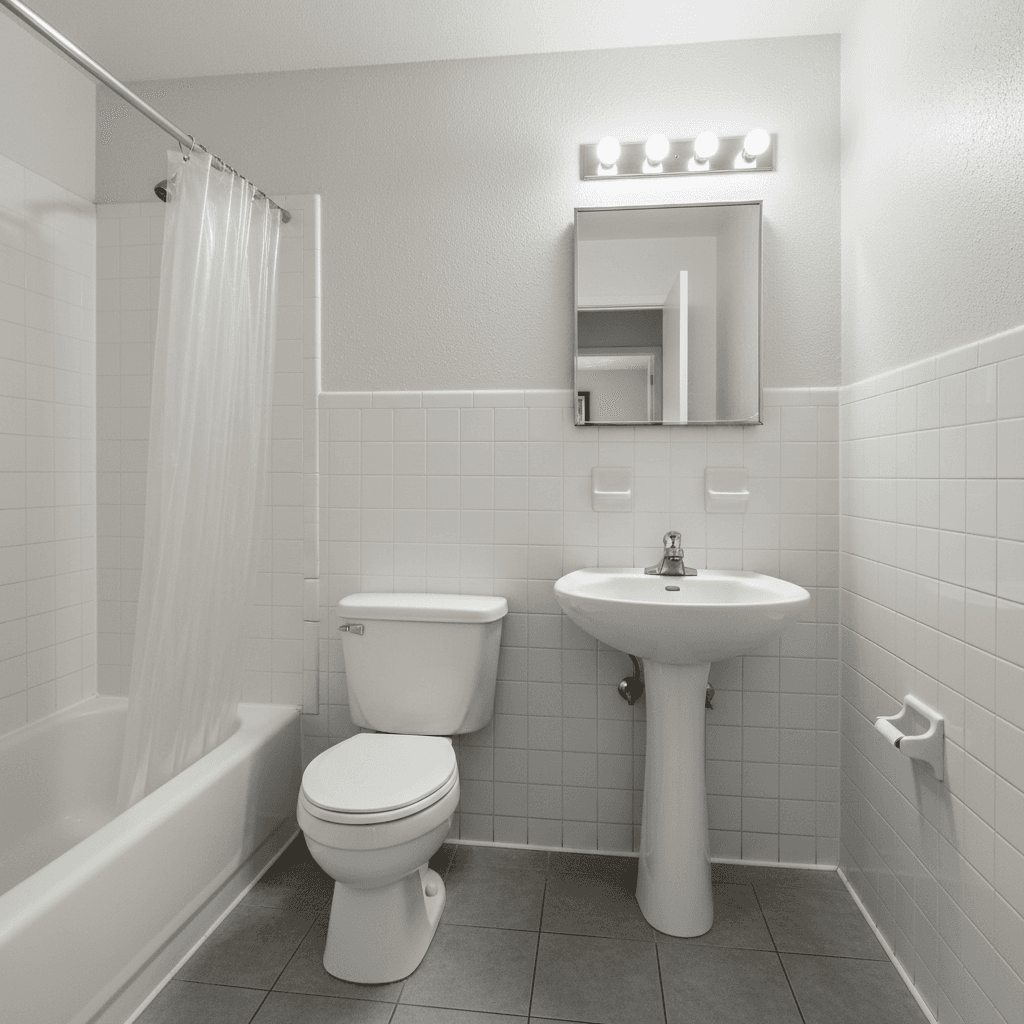
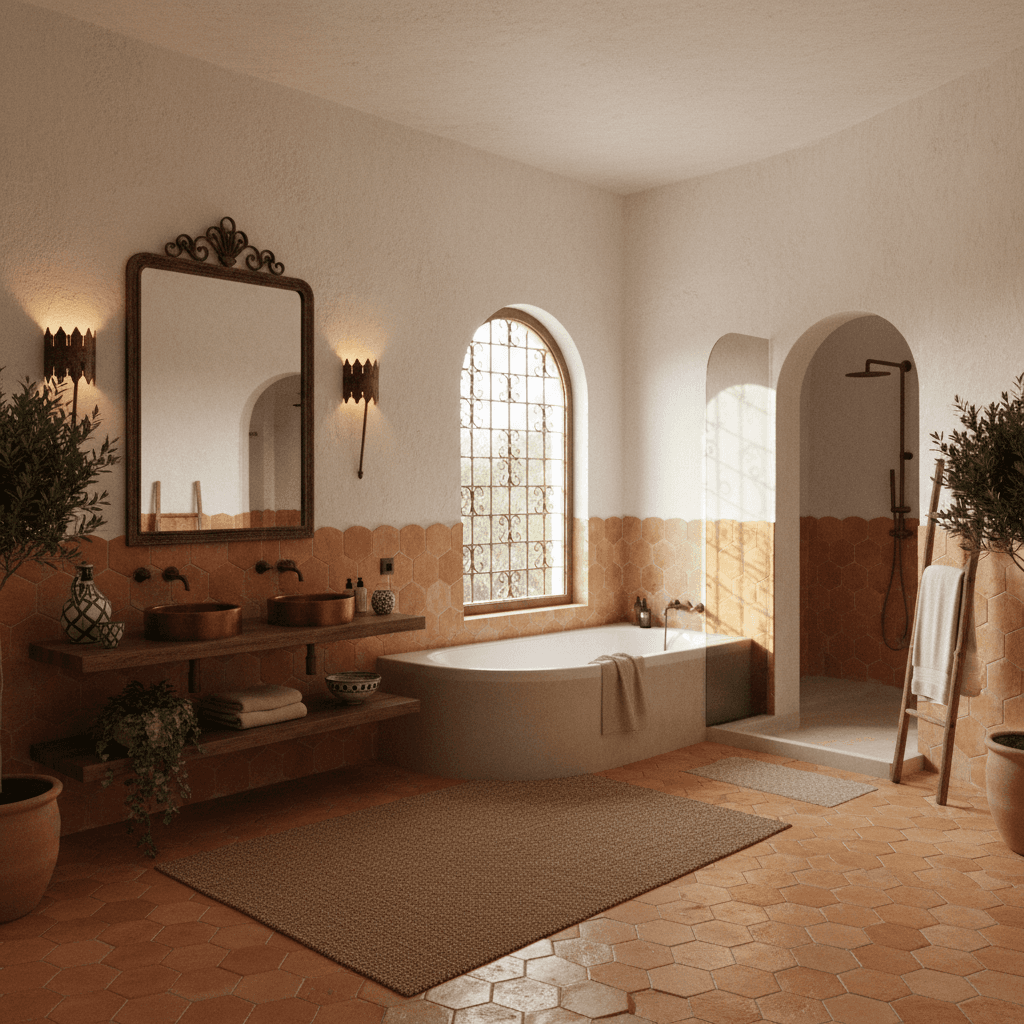
AI-generated mediterranean bathroom redesign from a single photo
How to get Mediterranean Bathroom designs
1. Upload your photo
Take a photo of your room in good daylight and upload it directly from your phone or computer. No account required to try.
2. Select style and room type
Choose your design theme and confirm the room type. Add any specific details or requirements in the optional text field.
3. Download your designs
The AI generates your redesigned room in 30 to 60 seconds. Review the result, and download or share as needed.
Mediterranean design principles
Mediterranean interior design draws from the architecture and material culture of southern Europe — terracotta tiles, whitewashed walls, wrought iron, handmade ceramics, and the warm, vivid colour palette of Spain, Italy, and Greece. The style is most successful when it prioritises texture, craft, and the interaction of light with tactile surfaces rather than simply applying colour.
Build around terracotta, stone, and ceramic tile
Mediterranean architecture is almost inseparable from terracotta tile floors, stone walls, and handmade ceramic surfaces. These materials regulate temperature, age beautifully, and carry a visual warmth that painted surfaces cannot replicate. If structural tile is not possible, introducing terracotta pots, hand-painted ceramic tiles as a splashback, or stone as a worktop surface achieves a material connection to the style that reads authentically.
Use white as the base and saturated accents deliberately
The most enduring Mediterranean interiors use white or off-white generously on walls and ceilings, then introduce saturated colour in specific places — a set of blue-painted shutters, a terracotta-tiled floor, a vivid mosaic panel. This contrast between the bright white base and the warm, intense accents is what gives the style its characteristic sense of light and liveliness. Applying saturated colour everywhere sacrifices this dynamic.
Incorporate handcraft and artisan objects
Mediterranean design is grounded in artisan production — hand-thrown pottery, hand-woven textiles, hand-forged ironwork. Introducing these objects connects a room to the design tradition more effectively than any paint colour. Look for ceramic table lamps, wrought iron candle holders, hand-painted tiles, and woven kilim rugs in natural dyes. The slight irregularity of handmade objects is a feature, not a defect.
Frame outdoor connections wherever possible
Mediterranean houses are designed around outdoor living, and the best interiors in this style acknowledge that relationship. If you have access to a garden, terrace, or even a small balcony, use the window as a deliberate frame — sheer curtains that move in outdoor air, furniture positioned to look toward greenery, and materials that transition gracefully between inside and outside spaces.
Bathroom design considerations
Bathrooms present unique design constraints because every material must perform in a high-moisture, high-use environment while the room itself is usually small, fixed in its plumbing positions, and expected to look good for ten or more years without major renovation.
Waterproofing as the non-negotiable foundation
All visible finishes in a bathroom sit on top of a waterproofing system that must be correctly specified and installed before any aesthetic decisions matter. Inadequate tanking or incorrectly applied membrane systems behind tiles or cladding cause failures that are expensive and disruptive to remediate. Budget for this correctly before spending on surface finishes.
Scale of fittings relative to the room
Bathroom showrooms display products in generous open spaces that bear no resemblance to a typical bathroom's dimensions. A large freestanding bath that looks proportionate in a showroom can make a small bathroom feel unusable. Always work from accurate room dimensions and leave adequate clear space around each fitting for comfortable use.
Ventilation to prevent mould and surface degradation
Mechanical ventilation — a correctly sized extractor fan that runs during use and for a timed period afterwards — is essential in any bathroom without reliable natural ventilation. Even in bathrooms with windows, condensation accumulates faster than natural airflow removes it. Mould damage to grout, silicone, and decorative surfaces is the most common bathroom maintenance problem and is largely preventable.
Mediterranean Bathroom guides worth reading
Practical write-ups that go deeper than a single bathroom page — how to photograph the room, how to pick a style, and what AI redesign actually changes.
Scandinavian Design: 12 Ideas for Small Spaces (2026)
Scandinavian design was developed in countries where domestic spaces are relatively small and daylight is seasonal. Its principles
Bohemian Bedroom Decor: 20 Ideas to Steal in 2026
A bohemian bedroom is built from objects accumulated over time rather than purchased as a set. The design challenge is creating vi
Industrial Kitchen Design: 15 Ideas That Actually Work
The industrial kitchen references commercial cooking infrastructure — steel, open shelving, exposed utilities — and translates it
How to Choose an Interior Design Style: 6 Quick Tests
Most people choose an interior design style based on how it looks in photography. A better approach starts with how you actually l
Before you pick an AI interior design tool
Magic Room is not the only way to generate these designs. Here is how it compares to the tools most people evaluate alongside it.
best RoomGPT alternatives for AI interior design
All four tools compared on AI model, photo retention, pricing model and output quality.
RoomGPT alternative
Why people switch from RoomGPT, and what changes when they do.
DecorAI alternative
Why people switch from DecorAI, and what changes when they do.
Magic Room vs RoomGPT
Side-by-side on AI model, photo privacy, pricing and output quality.